
Selling a home is one of the most significant financial transactions the average person will undertake in their lifetime. Naturally, homeowners want to maximize their return on investment. The temptation to renovate every room before planting a “For Sale” sign in the front yard is incredibly common. However, blindly pouring money into a property right before listing it can lead to financial disappointment. Not all renovations are created equal, and some might actually cost more than they recoup at the closing table. The trick lies in understanding which projects actively drive up buyer demand and which ones merely drain your bank account.
To navigate this complex environment, smart sellers often seek guidance from an experienced real estate agent who understands local buyer preferences. A local professional can provide invaluable insights into what specific features are commanding top dollar in your exact neighborhood. They can point out whether buyers are looking for pristine, move-in-ready conditions or if they prefer a discount to handle upgrades themselves. Armed with this knowledge, you can create a targeted renovation plan that addresses glaring issues while avoiding unnecessary financial risks. The goal is simple: maximize your visual appeal and structural integrity to justify a premium asking price without over-improving the house beyond its neighborhood standard.
When preparing a property for the market, homeowners must separate their personal tastes from market realities. Buyers look at a home as a blank canvas where they can project their own lives and design aesthetics. High-ROI renovations focus on neutralizing the space, improving operational efficiency, and fixing deferred maintenance. By focusing on these core areas, sellers can create an atmosphere that feels well-maintained, safe, and highly desirable to a broad audience.
First Impressions Matter: Maximizing Curb Appeal
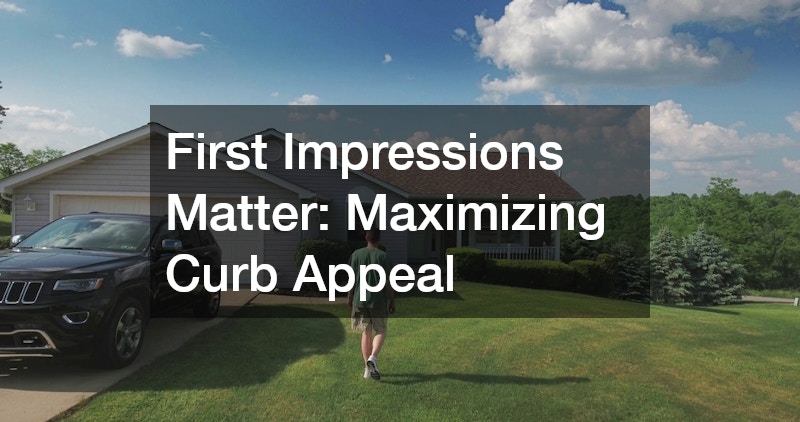
Before a prospective buyer ever steps through the front door, they have already formed a definitive opinion about the property. Curb appeal sets the tone for the entire showing. If the exterior looks neglected, buyers immediately assume that the hidden systems of the house, like the plumbing or wiring, have also been ignored. Enhancing the exterior does not require a massive budget, but it does demand careful planning and execution to create an inviting atmosphere.
Landscaping is the first element buyers notice when pulling up to the curb. Overgrown bushes, dead patches of grass, and choked flower beds can make an otherwise beautiful home look run-down. To fix this, homeowners should focus on clean lines and fresh growth. Visiting local plant nurseries can provide inspiration and access to regional flora that thrives with minimal maintenance. Selecting native perennials, vibrant annuals, and low-maintenance shrubs can instantly transform a dull yard into an inviting oasis. The addition of healthy greenery signals to buyers that the home is cared for and loved, which naturally increases its perceived value.
Beyond vegetation, ground cover plays a massive role in defining the crispness of a property’s exterior design. Dirty, weed-filled soil around pathways or under trees looks messy and unappealing. Replacing these problematic areas with a neat layer of crushed rock can create a clean, modern aesthetic that defines specific zones in the yard. This material works wonderfully for defining driveways, creating casual walking paths, or filling in borders around garden beds. It offers an affordable way to add texture and color contrast, making the green grass and colorful flowers pop.
Simple Exterior Fixes with High Returns
-
Front Door Refresh: Painting the front door a bold, welcoming color like navy blue, deep green, or classic black can create an instant focal point. Replacing worn hardware with modern black or brushed brass handlesets adds a touch of luxury.
-
Power Washing: Cleaning the siding, driveway, sidewalks, and decks removes years of built-up grime, mold, and dirt, making the home look freshly painted.
-
Modern House Numbers and Lighting: Outdated brass numbers and rusted light fixtures can age a home significantly. Upgrading to sleek, contemporary designs is a quick, inexpensive fix that catches the eye.
The Heart of the Home: High-ROI Interior Upgrades
Once buyers walk through the front door, their attention shifts to the primary living spaces. Buyers look closely at rooms where families spend the most time together. While bathrooms and living rooms are important, the kitchen remains the ultimate deal-maker or deal-breaker in residential real estate. A bright, functional, and modern kitchen can justify a much higher listing price, whereas an outdated kitchen often leads to lowball offers or extended days on the market.
However, full-scale kitchen remodeling projects rarely recoup their entire cost if executed right before a sale. The secret is to focus on minor updates that deliver major visual impact. Instead of gutting the entire room, homeowners can achieve excellent results by painting existing cabinets a neutral white or gray, updating old laminate countertops with affordable quartz or granite, and replacing mismatched appliances with new stainless steel models. Swapping out old cabinet hinges and drawer pulls for contemporary hardware can also breathe new life into the space without breaking the bank. These changes make the room look modern and clean, giving buyers the impression of a luxury space without the luxury price tag.
Beyond the culinary space, simple cosmetic updates across the interior can influence a buyer’s connection to the property. Freshly painted walls using light hues help to reflect natural light and make smaller rooms feel considerably larger. Similarly, addressing worn flooring eliminates signs of heavy wear and tear, presenting a cohesive, move-in-ready aesthetic throughout the entire main floor.
While cosmetic upgrades are essential for emotional appeal, the invisible systems of a home are just as critical for closing a sale. Buyers want peace of mind knowing that their new home is safe and up to current building codes. Outdated electrical panels, ungrounded outlets, and flickering lights can scare off potential buyers during the inspection phase. Hiring professional electricians to inspect the home, upgrade an old 100-amp panel to a robust 200-amp service, and replace outdated two-prong outlets with modern GFCI outlets in kitchens and bathrooms is an excellent investment. These functional upgrades assure buyers that the home is structurally sound, safe, and ready to handle the power demands of modern electronics.
Structural Integrity and Moisture Management
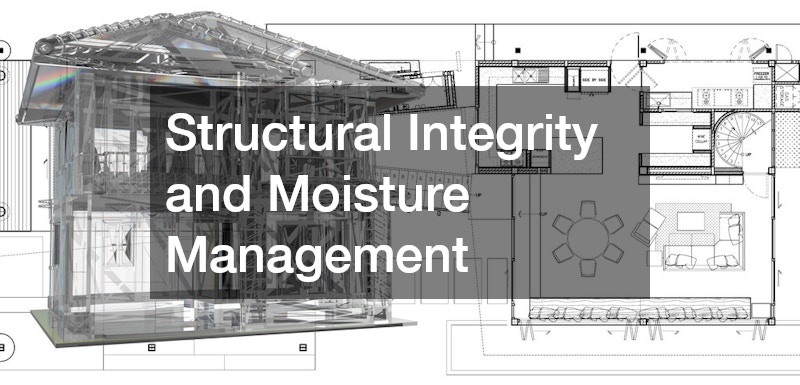
Water is the single greatest enemy of a home’s structural health. Smart buyers and meticulous home inspectors know how to spot the subtle signs of water damage from a mile away. Water stains on ceilings, damp odors in lower levels, and pooling water around the foundation can instantly kill a pending sale. Addressing water mitigation before putting the house on the market is non-negotiable if you want to secure top dollar.
The roof and water drainage systems are your home’s first line of defense against the elements. Old, sagging, or leaking gutters allow rainwater to cascade down the sides of the house, which can rot wood siding, damage trim, and erode the soil around the foundation. Installing modern seamless gutters is an incredibly effective way to protect the home and boost its resale value. Unlike traditional sectional gutter systems that pull apart at the seams over time, these continuous systems are custom-cut on-site to fit the exact dimensions of the home. They minimize leaks, require far less maintenance, and provide a sleek, clean roofline that buyers appreciate.
For homes located in areas with high water tables or heavy seasonal rainfall, managing surface water is only half the battle. If water manages to pool against the foundation walls, it can seep through microscopic cracks in the concrete, leading to damp walls, mold growth, and structural shifting. Investing in comprehensive exterior waterproofing can solve these issues before they become catastrophic obstacles to a sale. This process involves excavating around the foundation, applying a waterproof membrane to the exterior walls, and installing proper drainage boards to redirect water away from the structure. While it requires an upfront investment, it provides an ironclad guarantee to potential buyers that the home will remain dry, safe, and stable for decades to come.
Below the Surface: Basements and Foundations

A home’s foundation is literally the bedrock of its value. When buyers tour a house, a finished or well-maintained lower level can feel like a massive bonus space, effectively increasing the usable square footage of the home without requiring a brand-new addition. However, if the basement feels damp, dark, or looks cracked, it will have the exact opposite effect, causing buyers to run in the other direction out of fear of major structural failure.
Before you consider staging a basement with furniture and rugs, you need to ensure that the space is completely dry and structurally sound. Consulting with experienced basement contractors is a wise move for any homeowner preparing a property for sale. These specialists can evaluate the integrity of the concrete floor and walls, seal minor settling cracks with high-grade epoxy injections, and install sump pumps or internal French drains if necessary. A dry, clean, and certified basement adds immense value to a listing, allowing you to market the lower level as a viable space for a home office, a gym, or a family entertainment room rather than just a dark storage area.
In addition to concrete foundation work, the visible stone and brickwork around a home play a critical role in its perceived strength and aesthetic appeal. Cracked mortar joints, loose bricks on the chimney, or crumbling stone steps can make a house look dilapidated and unsafe. Hiring professional masonry experts to tuckpoint worn mortar joints and repair damaged brick features can dramatically improve both the safety and beauty of the property. Clean, solid brickwork gives the home a timeless, enduring quality that suggests premium craftsmanship. When buyers see flawless stonework and pristine brick facades, they immediately feel comfortable knowing that the home was built to last, which justifies a higher asking price.
Red Flags to Address Before Listing
-
Hairline vs. Structural Cracks: Vertical hairline cracks are often just a sign of normal settling, but horizontal or stair-step cracks in brick or concrete indicate severe pressure and must be repaired immediately.
-
Efflorescence: That powdery white residue on basement walls is a clear sign of moisture penetration that needs to be addressed before any open houses.
-
Spalling Brick: When moisture freezes inside brickwork, the face of the brick can flake off, requiring professional replacement to prevent further deterioration.
High-Value Expansions vs. Cosmetic Skips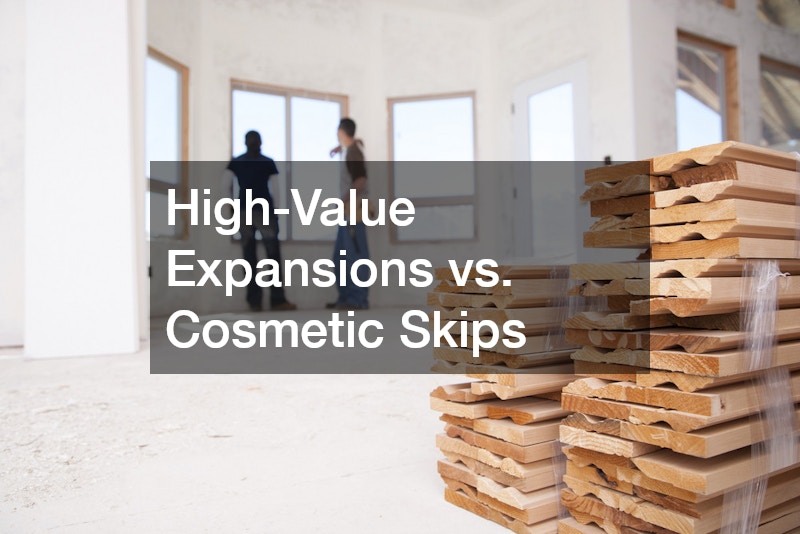
While understanding what minor cosmetic features to skip is important for your budget, knowing when to expand is a powerful way to tap into premium market tiers. Buyers are consistently looking for homes that offer genuine, functional space to accommodate growing families or remote work lifestyles. In neighborhoods where square footage is at a strict premium, making the decision to add a proper bedroom or an expanded living area can single-handedly push a property into a much higher valuation bracket.
To pull off a major expansion successfully before listing, you would want to hire home addition contractors who understand local zoning laws and structural engineering. Working with licensed professionals ensures that the project progresses smoothly, meets building codes, and integrates perfectly with the existing architecture. These specialists can add a highly desirable master suite or a spacious home office that expands the footprint of the house safely. By investing in physical square footage rather than over-improving interior finishes with niche luxuries like built-in custom wine cellars or lavish swimming pools, you deliver the exact type of baseline utility that competitive buyers are willing to pay a premium for.
Final Preparations for a Profitable Sale
When preparing a property for the real estate market, strategic moderation is the ultimate key to success. Homeowners do not need to rebuild their houses from the ground up to achieve a premium valuation. Instead, the focus should always be on enhancing curb appeal, updating key spaces like the kitchen, and eliminating any red flags related to moisture and structural integrity.
By tackling high-impact cosmetic updates and ensuring that all major mechanical and structural systems are in top-notch condition, you can create a highly competitive listing that stands out to eager buyers. This balanced, calculated approach protects your hard-earned equity, minimizes stress during the escrow process, and ensures that you walk away from the closing table with the highest possible return on your investment. A clean, functional home always attracts premium offers over an over-personalized project.