
A well-designed home should feel just as good on the inside as it looks from the outside. Too often, homeowners treat exterior upgrades and interior comfort improvements as separate projects, which leads to missed opportunities in efficiency, design flow, and long-term value.
When both areas are planned together, the results are more cohesive living spaces, lower utility costs, and a stronger overall property value. Improvements to structure, systems, and aesthetics can all work in harmony when approached strategically.
This guide breaks down how to combine exterior and interior upgrades in a way that is practical, cost-effective, and tailored for real-world living. Each section focuses on actionable steps that help homeowners make smarter renovation decisions from the ground up.
Creating a Unified Exterior Upgrade Strategy

Before making any visible changes, it’s important to evaluate the full condition of your home’s exterior and how it connects to interior comfort. Walls, insulation, roofing transitions, and exterior finishes all influence temperature control, moisture protection, and curb appeal. Even small weaknesses in the building envelope can create drafts, uneven indoor temperatures, and long-term structural issues that become expensive to correct later. Taking the time to assess everything as one system helps prevent missed problem areas and ensures that improvements actually work together rather than against each other.
A siding contractor plays a key role in identifying weak points in your home’s exterior envelope. Cracks, warping, loose panels, or outdated materials often lead to energy loss, pest intrusion, and higher utility bills. In many cases, homeowners underestimate how much siding performance affects HVAC efficiency and overall indoor comfort. A thorough inspection can reveal hidden moisture damage or insulation breakdown that isn’t visible at first glance. Upgrading siding is not just cosmetic—it directly impacts insulation performance, weather resistance, and moisture control, especially in regions with seasonal temperature swings.
At the same time, broader home remodeling planning helps align exterior updates with interior improvements. Instead of replacing one element at a time, homeowners can create a coordinated plan that improves efficiency, reduces labor duplication, and ensures design consistency from outside to inside. This approach also helps avoid situations where new interior finishes are installed only to be disrupted later by exterior structural work. Proper planning ensures that every upgrade supports the next stage of the project.
A strong strategy also considers how exterior systems interact with interior comfort zones. For example, poorly sealed walls can force heating and cooling systems to work harder, while outdated materials can trap moisture inside wall cavities. Addressing these issues early helps protect both structural integrity and indoor air quality.
Key planning tips include:
- Inspect exterior walls for insulation gaps and moisture damage
- Match siding materials with long-term energy efficiency goals
- Align exterior color palettes with interior design themes
- Schedule exterior work before interior finishing projects
- Evaluate window and door sealing for air leakage points
- Consider long-term maintenance requirements before selecting materials
When these steps are combined, and guided by both a siding contractor and a structured home remodeling plan, the home begins to function as one cohesive system rather than disconnected parts.
Optimizing Whole-Home Airflow and Temperature Control
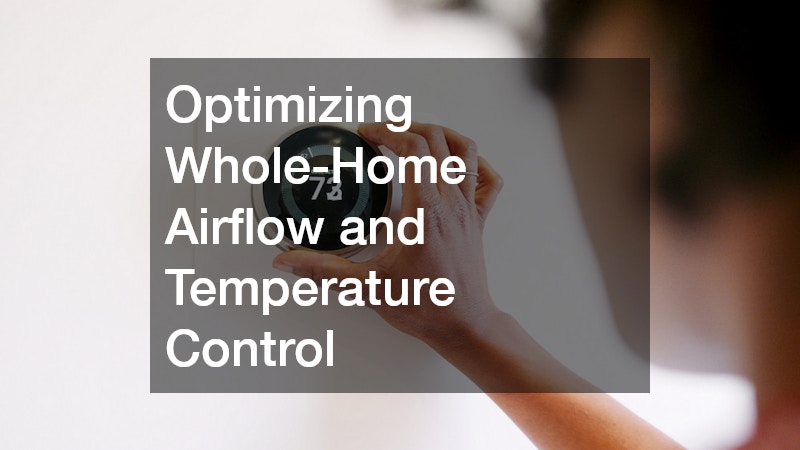
Indoor comfort depends heavily on how well air moves throughout the home. Even the best insulation and roofing systems can underperform if airflow is inconsistent or blocked. Air that cannot circulate properly tends to create uneven temperatures, where certain rooms feel too warm while others remain noticeably cold. Over time, this imbalance forces heating and cooling systems to work harder, increasing energy costs and reducing system lifespan.
HVAC contractors focus on balancing heating and cooling systems to ensure even temperature distribution throughout the entire home. This includes evaluating ductwork efficiency, system sizing, thermostat placement, and return air pathways. In many homes, the issue is not the HVAC unit itself but how air is delivered and returned. Poorly designed duct layouts or leaks in hidden areas like attics and crawl spaces can significantly reduce performance without homeowners realizing it.
A properly tuned system can eliminate hot and cold spots, reduce humidity issues, and improve air quality. It also helps maintain consistent comfort levels during seasonal transitions, when outdoor temperatures fluctuate dramatically. In addition, better airflow management reduces strain on equipment, which can delay costly repairs or replacements.
HVAC contractors often recommend combining system upgrades with simple home improvements that support airflow. For example, ensuring vents are not blocked by furniture, improving insulation around duct pathways, and balancing air pressure between rooms can all make a noticeable difference. In some cases, older homes may require partial redesigns of duct systems to achieve optimal performance.
Actionable improvements include:
- Sealing and insulating ductwork to prevent air loss
- Installing zoning systems for room-by-room control
- Upgrading to smart thermostats for automated efficiency
- Scheduling seasonal maintenance for peak performance
- Replacing outdated air filters regularly to improve circulation
- Ensuring vents and returns remain unobstructed by furniture or décor
When airflow is optimized and supported by well-maintained equipment, the entire home feels more comfortable without relying on excessive energy use. This balance creates a healthier indoor environment and supports long-term system reliability.
Expanding Functional Living Space Below Ground
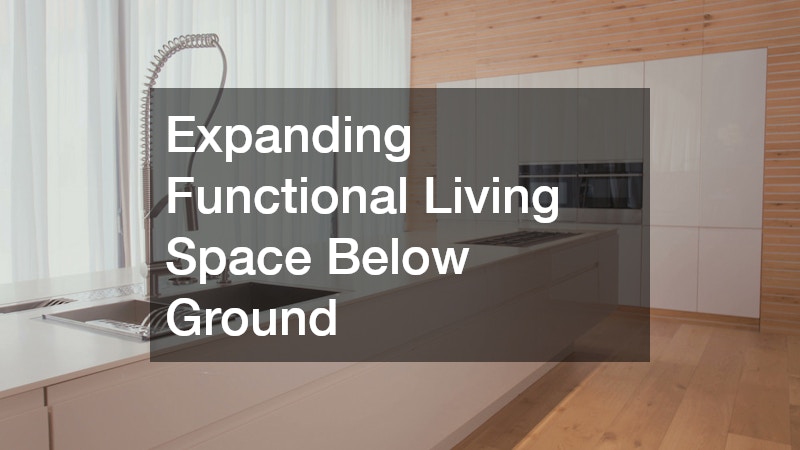
Basement areas often represent untapped potential in a home. When properly finished, they can significantly increase usable square footage and improve overall comfort, effectively transforming underused storage space into a fully integrated part of the home’s living environment. Because basements sit below grade, they require a more careful approach than above-ground renovations, especially when it comes to moisture control and temperature regulation.
A well-planned basement renovation addresses moisture control, insulation, structural integrity, and layout design before any finishing work begins. Ignoring these foundational steps can lead to long-term issues such as mold growth, condensation buildup, musty odors, or uneven temperatures that make the space uncomfortable year-round. Proper insulation and air sealing are especially important, as basements tend to lose heat quickly in winter and retain humidity in summer.
Once the structure is prepared, flooring contractors ensure that materials are selected based on durability, moisture resistance, and long-term performance. Basements require surfaces that can handle humidity changes without warping, cracking, or deteriorating over time. The right flooring choice can also improve comfort underfoot and help regulate temperature, making the space feel more inviting and usable.
In addition to structural and surface improvements, lighting and layout play a major role in usability. Basements often lack natural light, so thoughtful planning is required to avoid a closed-in or dim atmosphere. Strategic lighting placement, lighter color palettes, and open layouts can dramatically improve how the space feels.
Key improvement strategies include:
- Installing vapor barriers and waterproofing systems
- Choosing flooring materials designed for below-grade environments
- Adding layered lighting to improve brightness and comfort
- Designing open layouts for multi-purpose use
- Improving ceiling height perception through lighting and paint choices
- Incorporating built-in storage to maximize usable floor space
A finished basement can serve as a living room, office, guest suite, or entertainment area, adding both value and livability while making the home feel significantly larger and more functional.
Enhancing Interior Flow and Visual Harmony
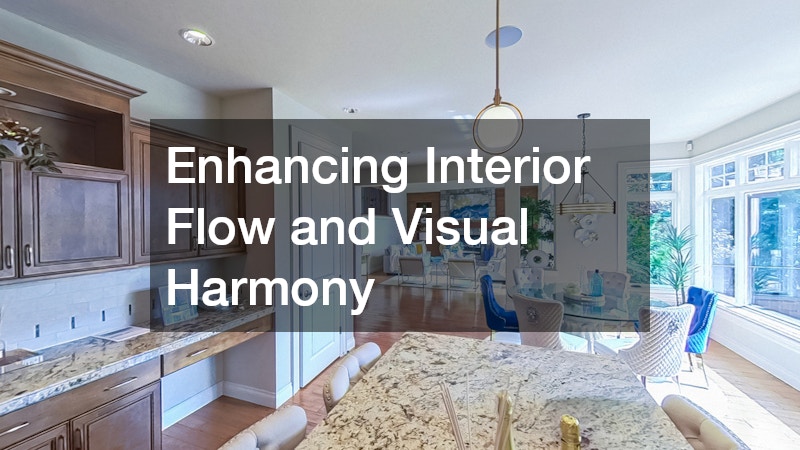
Interior comfort is not just about temperature—it also depends on how a space feels visually and functionally. Poor layout, inconsistent styling, or awkward furniture placement can make even large homes feel cramped, chaotic, or disorganized. When movement through the home feels restricted or visually overwhelming, it reduces comfort no matter how well the home is heated, cooled, or maintained.
Thoughtful interior designs focus on flow, proportion, lighting, and how each room connects to the next. Open pathways between rooms improve movement and usability, while consistent design themes create a sense of unity throughout the home. This doesn’t mean every room must look identical, but rather that colors, textures, and materials should feel intentionally connected. Repeating design elements like trim styles, flooring tones, or lighting finishes can significantly improve cohesion.
Furniture placement also plays a major role in flow. Even well-designed rooms can feel cluttered if walkways are blocked or focal points are unclear. Arranging furniture to support natural movement paths helps the home feel larger and more functional without requiring structural changes.
Lighting is another critical factor in visual harmony. A mix of ambient, task, and accent lighting can reduce shadows, highlight architectural features, and create depth in a space. Natural light should be maximized wherever possible to enhance openness and reduce reliance on artificial lighting during the day.
Simple but effective improvements include:
- Using neutral base colors with accent variations
- Maximizing natural light through window placement and mirrors
- Reducing clutter with built-in storage solutions
- Creating visual continuity between adjacent rooms
- Choosing consistent flooring tones across connected spaces
- Layering lighting types to improve depth and warmth
By aligning design choices across the home, homeowners can create a more relaxing, functional, and visually balanced environment that supports both daily living and long-term comfort.
Improving Plumbing Efficiency and System Reliability
Water systems are often overlooked until visible problems arise, but they play a major role in both everyday comfort and long-term structural health. From showers and sinks to hidden pipes behind walls, the plumbing system quietly supports nearly every function in the home. When it is inefficient or deteriorating, the effects can show up as higher utility bills, inconsistent water pressure, or even hidden moisture damage that spreads over time.
A qualified plumbing contractor can identify leaks, pressure inconsistencies, corrosion, and outdated piping systems that may be affecting efficiency and reliability. Even small, slow leaks can lead to significant long-term damage if left unaddressed, including weakened drywall, mold growth, and flooring deterioration. In many older homes, original piping materials may no longer meet modern efficiency standards, making proactive inspection especially important.
Beyond repairs, plumbing professionals can also help homeowners optimize water usage and system performance. Upgrading fixtures and improving system layout can reduce waste while improving daily convenience. In some cases, minor adjustments to pressure regulators or pipe routing can dramatically improve overall performance without requiring a full system replacement.
Important upgrades and checks include:
- Replacing outdated pipes with modern, durable materials
- Installing low-flow fixtures to reduce water usage
- Checking water pressure consistency throughout the home
- Ensuring proper drainage to prevent moisture buildup
- Inspecting hidden pipe connections for early signs of corrosion
- Sealing leaks around sinks, toilets, and appliance hookups
Efficient plumbing systems not only reduce utility costs but also protect the home from hidden water damage that can affect walls, flooring, ceilings, and foundations. When maintained properly, they contribute to a healthier, more reliable, and more comfortable living environment overall.
Improving Garage Function and Exterior Integration
A garage is more than just storage—it is a major part of a home’s exterior appearance and functionality.
A professional garage builder can design structures that complement the home’s architecture while improving usability. Modern garage designs often include storage systems, workshop areas, and energy-efficient doors.
Enhancements to consider:
- Adding insulation to regulate temperature
- Installing overhead storage solutions
- Upgrading garage doors for improved energy efficiency
- Designing layouts that maximize usable space
A well-designed garage improves curb appeal while also expanding the home’s functional footprint.
Adding Decorative Strength and Architectural Detail
Small architectural details can dramatically change how a home feels from the outside. Decorative elements add character, security, and visual interest.
Custom ironwork is often used for gates, railings, balconies, and entry accents. These features provide durability while enhancing aesthetic appeal.
Effective design applications include:
- Installing decorative railings for entryways and stairs
- Adding security gates with artistic detailing
- Using iron accents to frame windows or doors
- Matching finishes with overall exterior style
When carefully selected, these elements create a strong first impression and elevate the home’s architectural identity.
Creating Seamless Indoor and Outdoor Surfaces
Flooring choices extend beyond interior rooms and play a major role in how spaces connect visually and functionally.
Experienced flooring contractors help homeowners select materials that work for both indoor and outdoor environments. Consistency in texture and tone creates a smoother transition between living areas and exterior spaces.
Key considerations include:
- Using weather-resistant materials for patios and entryways
- Matching indoor flooring tones with exterior finishes
- Prioritizing slip resistance for safety in outdoor areas
- Selecting low-maintenance materials for high-traffic zones
When flooring is coordinated across the property, the home feels more unified and intentional.
Coordinating Large-Scale Renovation Projects
Managing multiple upgrades at once requires careful planning and coordination. Without a clear strategy, projects can become delayed, over budget, or inconsistent in quality.
Both home remodeling and roofing contractors play a central role in ensuring structural and scheduling alignment. Roofing work often needs to be completed early in the process to protect interior improvements, while remodeling efforts tie all systems together.
Best practices for coordination include:
- Establishing a clear project timeline before work begins
- Prioritizing structural repairs before cosmetic updates
- Coordinating contractor schedules to avoid delays
- Conducting final inspections across all completed work
A well-managed renovation ensures that every improvement contributes to a unified result rather than isolated upgrades.
Improving a home is most effective when comfort, structure, and design are treated as interconnected goals. When exterior enhancements support interior living conditions, the result is a more efficient, attractive, and functional home.
By planning carefully, coordinating systems, and focusing on long-term performance, homeowners can achieve improvements that enhance both daily living and property value for years to come.