Owning a home is one of the largest financial commitments most people will ever make, and protecting that investment requires more than occasional repairs when something breaks. Long-term property protection is about building a proactive mindset—anticipating issues before they escalate, maintaining systems before they fail, and making strategic upgrades that preserve both comfort and value over time.
A well-maintained home is not just more enjoyable to live in; it is also significantly more cost-efficient. Preventive care reduces emergency repairs, extends the lifespan of essential systems, and helps avoid structural damage that can quietly build over the years. Many of the most expensive home problems begin as small, overlooked issues—inefficient systems, minor leaks, poor ventilation, or neglected outdoor areas.
This guide walks through the key areas every homeowner should focus on, offering practical strategies to strengthen, protect, and improve the home for the long term.
Building Strong Foundations for Home System Efficiency
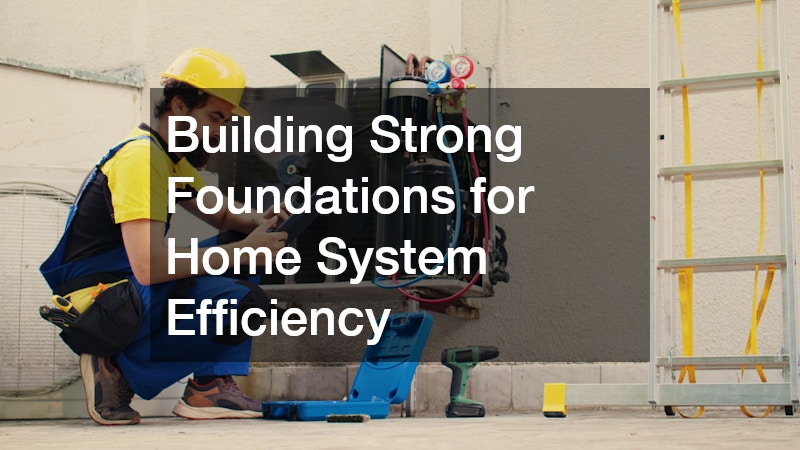
One of the most overlooked aspects of home protection is the condition and efficiency of core mechanical systems. These systems operate quietly in the background, but when neglected, they often cause costly breakdowns, reduced comfort, and long-term energy waste that gradually drive up utility bills. Because they are not always visible, homeowners tend to delay maintenance until a noticeable failure occurs, which is usually far more expensive than preventive care.
A critical system in many homes is the water heater. Homeowners should regularly inspect for sediment buildup, fluctuating water temperatures, and unusual noises such as popping or rumbling, which often signal inefficiency. These issues occur when minerals settle to the bottom of the tank, forcing the system to work harder to heat the water. Over time, this added strain can significantly shorten the unit’s lifespan. Flushing the tank annually, testing the thermostat settings, and checking pressure relief valves can dramatically improve performance and reliability. In addition, insulating older units and exposed pipes can help reduce heat loss and improve energy efficiency during colder months.
Another important factor is how well air and mechanical systems are installed and maintained. Poor airflow design, undersized equipment, or aging components can place unnecessary strain on the entire home environment. This often results in uneven temperatures between rooms, excessive HVAC cycling, and higher energy consumption. Many homeowners do not realize that small inefficiencies in airflow distribution can compound into major performance issues over time.
It is also helpful to monitor humidity levels throughout the home, as imbalances can further stress mechanical systems and contribute to discomfort. Homes that are too dry or too humid often force HVAC systems to compensate more aggressively, reducing overall efficiency.
Expanded actionable maintenance tips:
- Flush and inspect water heaters at least once per year
- Monitor water temperature consistency for early warning signs
- Replace aging valves or heating elements before full system failure
- Check for uneven airflow in rooms as a sign of system imbalance
- Ensure ductwork is sealed and free of leaks to improve efficiency
- Inspect insulation around mechanical systems to prevent heat loss
- Listen for unusual cycling patterns in HVAC equipment as a warning sign
- Schedule seasonal professional inspections to catch early system wear
Proper system installation and upkeep also matter just as much as ongoing maintenance. A professional duct installation service can ensure airflow is properly balanced, reducing strain on HVAC components and improving indoor comfort. Poorly installed ductwork often leads to energy loss, uneven heating or cooling, and long-term system degradation that could otherwise be avoided. When duct systems are designed correctly, air distribution becomes more consistent, equipment runs more efficiently, and the overall home environment remains stable with less mechanical stress over time.
Protecting Against Moisture and Exterior Wear
Moisture is one of the most persistent and damaging threats to a home’s structural integrity. It often enters unnoticed through small gaps in siding, roofline weaknesses, deteriorating window seals, or poorly ventilated areas such as crawl spaces and attics. Over time, even minor water intrusion can lead to widespread issues, including wood rot, insulation breakdown, weakened drywall, and compromised structural framing. Because moisture damage often develops slowly, it is frequently discovered only after significant repair is required, making early detection and prevention especially important.
One effective way to reduce exposure to harsh environmental conditions is through exterior shading and protection systems. Installing an awning can help reduce direct sunlight on windows and exterior walls, lowering indoor temperatures and minimizing material wear caused by UV exposure and repeated weather fluctuations. In addition to protecting siding and windows, awnings can also reduce indoor cooling demand, helping preserve HVAC efficiency over time. Strategic placement over patios and entryways can further reduce water intrusion near doors during heavy rainfall, helping to protect thresholds and flooring inside the home.
However, moisture control goes far beyond exterior shading. Once moisture enters the home, it can create ideal conditions for mold growth, which spreads quickly in damp, dark, and poorly ventilated environments. Mold can begin forming within 24 to 48 hours of sustained moisture exposure, especially in hidden areas such as behind walls or under flooring, making early action critical.
Preventive strategies include:
- Inspecting rooflines, windows, and basements for leaks after storms or seasonal changes
- Ensuring proper ventilation in bathrooms, kitchens, laundry rooms, and attics to reduce humidity buildup
- Cleaning gutters and downspouts regularly to prevent water overflow near the foundation
- Monitoring indoor humidity levels and using dehumidifiers when necessary
- Checking exterior grading to ensure water drains away from the home’s foundation
- Sealing cracks in siding, masonry, and foundation walls to reduce entry points
In addition to these steps, homeowners should pay attention to musty odors, peeling paint, or unexplained discoloration on walls and ceilings, as these are often early indicators of hidden moisture problems.
When mold becomes visible or is strongly suspected behind walls, ceilings, or flooring, professional mold remediation becomes essential. Attempting to address widespread contamination without proper containment can lead to further spread, cross-contamination of clean areas, and increased health risks due to airborne spores. Early intervention not only limits damage but also helps preserve indoor air quality and prevents long-term structural weakening that can be expensive and disruptive to repair.
Enhancing Outdoor Spaces and Environmental Comfort
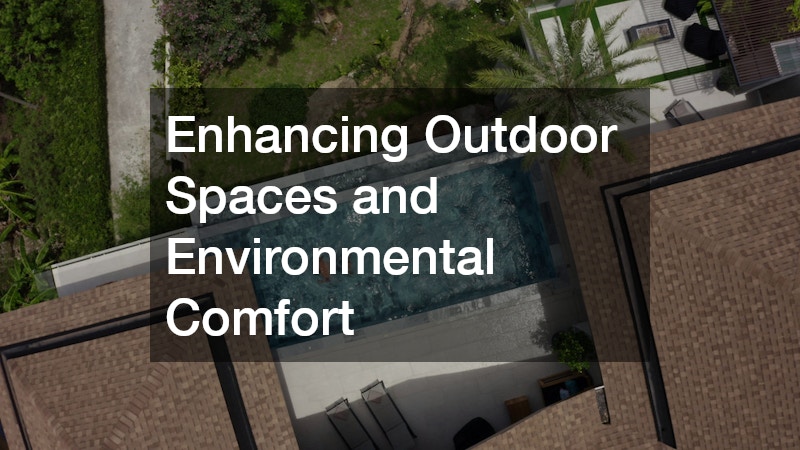
Outdoor areas are often viewed primarily as leisure spaces for relaxation, entertaining, and recreation, but they also play a major role in a property’s overall condition and longevity. When neglected, these spaces can become sources of water intrusion, pest activity, soil erosion, and even foundation stress. Poor drainage, cracked hardscaping, and unmaintained equipment can all contribute to issues that gradually extend into the interior of the home.
A common feature in many homes is an inground pools. While pools add significant value and enjoyment, they also require consistent maintenance to prevent long-term structural and mechanical issues. Because pools are constantly exposed to environmental debris, temperature fluctuations, and chemical reactions, they must be carefully monitored year-round. Water chemistry, filtration systems, and surface integrity all work together to maintain a safe and functional swimming environment. When one element is off balance, it can quickly affect the others, leading to cloudy water, equipment strain, or surface deterioration.
Key pool maintenance practices:
- Maintain balanced chemical levels to prevent corrosion and scaling
- Clean filtration systems on a regular schedule to ensure proper circulation
- Inspect liners, tile lines, and pool surfaces for cracks, fading, or wear
- Monitor pumps, heaters, and circulation systems for efficiency issues
- Remove debris promptly to reduce strain on filtration equipment
- Schedule seasonal professional inspections to catch early mechanical failures
In addition to pool care, outdoor environments also attract insects, particularly in warm and humid conditions where moisture and vegetation provide ideal breeding grounds. Effective mosquito treatment is essential for maintaining safe and usable outdoor spaces, especially during peak summer months when activity is highest. Standing water, overgrown vegetation, and poor drainage often contribute to infestations that can quickly escalate if not addressed.
Homeowners should also be aware that mosquitoes are not just a nuisance—they can discourage outdoor use entirely and reduce the enjoyment and functionality of patios, decks, and backyard spaces. In some cases, persistent infestations may even indicate underlying drainage or grading problems that should be corrected at the source.
To improve outdoor comfort and protection:
- Eliminate standing water around the property, including planters, gutters, and low spots
- Trim landscaping regularly to reduce shaded breeding and resting areas
- Use seasonal treatments and preventative applications to reduce mosquito populations
- Ensure proper drainage directs water away from living spaces and structural foundations
- Maintain outdoor lighting strategically to reduce insect attraction at night
- Keep pool covers and water features clean and properly secured when not in use
By maintaining outdoor systems proactively and addressing both structural and environmental risks, homeowners can preserve usability, reduce long-term repair costs, and significantly improve overall property value and comfort.
Improving Water Quality and Internal Air Systems
The quality of water and air inside a home has a direct impact on both health and system longevity. Many homeowners overlook the strain that poor-quality inputs place on appliances and plumbing systems.
Installing water purification systems can significantly improve water quality by removing contaminants, reducing mineral buildup, and extending the lifespan of appliances that rely on clean water. Over time, untreated water can lead to pipe corrosion, appliance inefficiency, and even health concerns.
Benefits of water purification systems:
- Reduced buildup in plumbing and fixtures
- Improved taste and odor of drinking water
- Extended lifespan of water-dependent appliances
- Lower maintenance costs over time
Air distribution systems are equally important. If ductwork is outdated or poorly designed, it can reduce efficiency and compromise indoor air quality. Dust, allergens, and debris often accumulate in improperly sealed systems, affecting both comfort and health.
Homeowners should:
- Replace or clean air filters regularly
- Schedule periodic HVAC inspections
- Ensure ducts are properly sealed and insulated
- Address airflow inconsistencies between rooms
When both water and air systems are optimized, the entire home operates more efficiently and experiences less wear over time.
Protecting Structural Integrity Through Pest Prevention
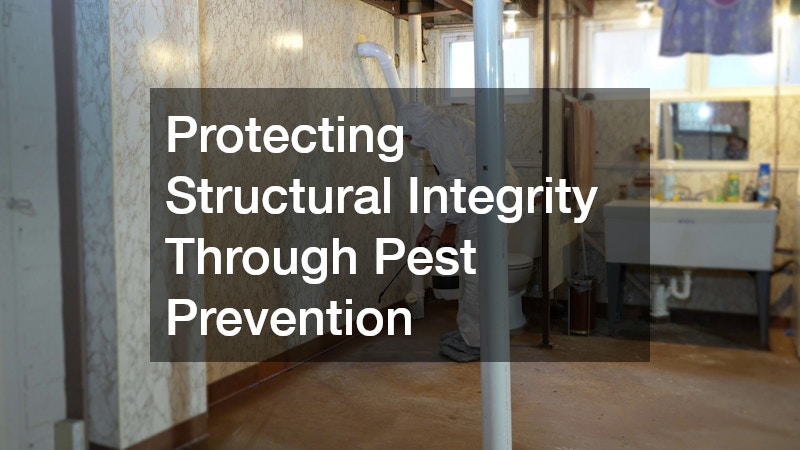
Structural protection is not only about visible maintenance—it also involves defending the home against hidden threats. One of the most destructive issues homeowners face is termite activity. These pests can quietly damage wooden structures, flooring, and foundational supports long before they are detected.
Effective termite control requires both prevention and early detection. Regular inspections, moisture management, and sealing entry points are key components of a long-term strategy.
Preventive measures include:
- Scheduling annual pest inspections
- Eliminating wood-to-soil contact around the foundation
- Repairing leaks that create moist environments
- Storing firewood away from the home
Ignoring termite activity can lead to extensive structural repairs that are both expensive and disruptive. Early intervention is the most effective way to preserve long-term integrity.
Strategic Interior Upgrades and Project Coordination
Interior renovations play a major role in long-term property protection, especially when they improve both functionality and structural efficiency. Kitchen upgrades are among the most impactful improvements a homeowner can make, as this space is used daily.
Working with a kitchen remodeling company allows homeowners to ensure that upgrades are not only visually appealing but also structurally sound and energy-efficient. Proper planning helps avoid issues such as poor layout design, inefficient plumbing, or inadequate ventilation.
Large-scale projects often require coordination across multiple systems, which is where general contractors become essential. They help manage timelines, subcontractors, materials, and inspections to ensure that all aspects of a renovation are completed correctly.
Key planning considerations:
- Align renovation plans with long-term home maintenance goals
- Ensure electrical and plumbing systems are updated when needed
- Prioritize durable materials that reduce future maintenance needs
- Coordinate scheduling to minimize disruption and delays
Well-managed renovations not only improve daily living but also help protect the home’s long-term structural and financial value.
Coordinating Long-Term Home Maintenance Planning
Beyond individual systems and upgrades, the most effective property protection strategy is a coordinated maintenance plan. This involves scheduling inspections, budgeting for repairs, and prioritizing systems based on risk and lifespan.
Homeowners should develop an annual maintenance calendar that includes seasonal inspections of HVAC systems, plumbing, roofing, and outdoor structures. Preventive attention reduces emergency repair costs and ensures that no system is overlooked.
Key elements of a long-term plan include:
- Seasonal inspection schedules for all major systems
- Budget allocation for both expected and unexpected repairs
- Documentation of maintenance history for future reference
- Regular reassessment of home performance and efficiency
A structured approach transforms homeownership from reactive problem-solving into proactive property management.
Protecting a home over the long term requires consistency, awareness, and strategic planning. Rather than focusing only on repairs when issues arise, homeowners benefit most from a preventive approach that addresses systems, structures, and environmental factors before they become major problems.
By maintaining key systems, protecting against environmental damage, and coordinating improvements thoughtfully, homeowners can preserve both the comfort and value of their property for years to come. A well-maintained home is not just a safer place to live—it is a more efficient, resilient, and financially secure investment over time.