
Most homeowners can tell you the last time they repainted a wall or replaced a faucet, but ask about the furnace, the roof, or the driveway, and the answers get fuzzy fast. These out-of-sight features quietly age in the background until a breakdown forces an expensive, rushed decision. Knowing roughly how long each system is built to last gives you a head start on budgeting, planning, and catching trouble before it becomes a crisis. This guide walks through the rarely inspected parts of your home and the realistic timelines you should keep in the back of your mind.
Roof Shingles and Underlying Structure
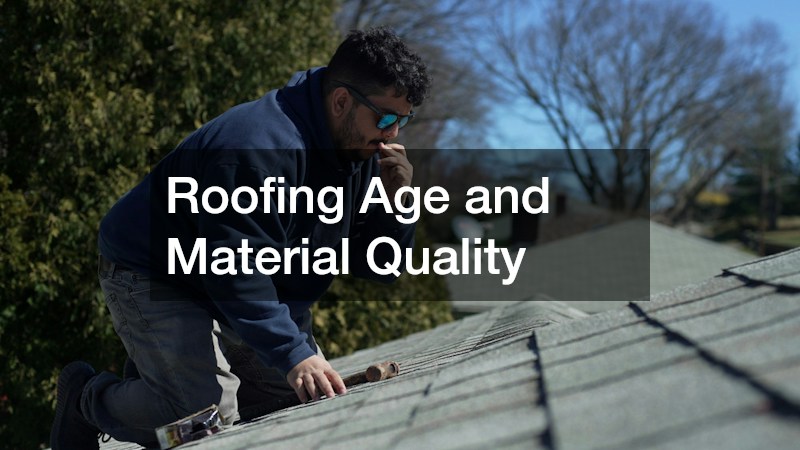
Asphalt shingles typically last between 20 and 25 years, though climate, ventilation, and installation quality can shrink or stretch that window significantly. Homes in areas with intense sun, heavy snow loads, or frequent storms tend to see wear on the shorter end of that range. Because most roof damage starts small and hidden under flashing or in valleys, it rarely announces itself until a leak appears inside the house.
A yearly walk-around with binoculars can catch curling edges, missing granules, or sagging sections before they turn into structural problems. If your roof is approaching the two-decade mark, it is worth scheduling an inspection with a roofing contractor rather than waiting for a visible leak. Catching issues early often means a targeted repair instead of a full replacement.
- Asphalt shingles: 20-25 years average lifespan
- Metal roofing: 40-70 years depending on material
- Flat or low-slope roofing membranes: 15-20 years
- Flashing around chimneys and vents: inspect every 2-3 years
Furnace and Central Heating Systems
A gas furnace typically runs reliably for 15 to 20 years, but the last few years of its life often bring rising energy bills and more frequent repair calls as components wear down. Many homeowners keep nursing an aging unit along, not realizing that the cost of repeated fixes can approach the price of a new system. Once a furnace passes the 15-year mark, it is reasonable to start budgeting for furnace replacement rather than waiting for a midwinter breakdown.
Warning signs include uneven heating between rooms, a burner flame that looks yellow instead of blue, and a noticeable increase in dust or dry air. Annual tune-ups help extend the system’s working life, but they cannot indefinitely postpone the inevitable. Planning the replacement before an emergency gives you time to compare efficiency ratings and financing options calmly.
Central Air Conditioning Units

Central air conditioning systems generally last 12 to 15 years, with coastal or high-humidity climates sometimes shortening that span due to corrosion. Performance tends to decline gradually, so many homeowners do not notice the loss of cooling power until a heat wave puts real strain on the system. Scheduling a seasonal checkup with one of the local AC companies before summer begins can reveal early signs of refrigerant leaks or failing compressors.
Routine maintenance, like replacing filters monthly and keeping the outdoor condenser clear of debris, meaningfully extends a unit’s working years. Ignoring small issues such as weak airflow or strange noises often leads to bigger failures during the hottest stretch of the year. A short seasonal appointment is far cheaper than an emergency visit when the unit stops cooling altogether.
- Clean or replace filters every 1-3 months
- Clear at least two feet of space around the outdoor unit
- Schedule professional inspection before peak summer heat
- Listen for grinding or rattling sounds, which signal mechanical wear
Water Heaters Tucked Out of Sight
Tank-style water heaters typically last 8 to 12 years, while tankless models can stretch to 20 years with proper maintenance. The exact lifespan depends heavily on water quality, tank material, and whether the unit’s anode rod was ever replaced, a $20 part that many homeowners don’t know exists until the tank has already failed. Because these units are usually hidden in a basement, closet, or garage corner, a slow leak can go unnoticed for weeks and cause real water damage to flooring, drywall, or even subfloor rot if the area isn’t checked regularly. A simple annual habit of glancing at the base of the tank for rust, moisture, or a faint metallic smell can catch problems before they become expensive repairs. Sediment buildup at the bottom of the tank is one of the biggest culprits behind early failure, especially in homes with hard water. This buildup insulates the water from the heating element, forcing the unit to work harder and burn more energy while slowly corroding the tank from the inside out. Flushing the tank once a year removes much of this sediment and can add several years to its service life. Homeowners on well water or in regions with notably hard water should consider flushing twice a year, and installing a water softener upstream of the heater can meaningfully slow the entire aging process.
Most water heaters sit in a basement corner, closet, or garage where they can run for years without a second glance. That’s precisely the problem, since small issues go unnoticed until they become expensive ones. Flushing the tank annually removes sediment and mineral deposits that settle at the bottom, helping the heating element work more efficiently and preventing the rumbling noises that come from trapped debris. This is especially important if you have hard water, which accelerates sediment buildup and can cut years off a tank’s lifespan if ignored. The process takes about 20-30 minutes: shut off the power or gas, connect a hose to the drain valve, and let the tank empty into a floor drain or outside. Checking the pressure relief valve once a year also ensures it is functioning correctly, since a stuck valve can lead to dangerous pressure buildup. Test it by lifting the lever briefly and confirming water flows out freely into the drain pipe; if nothing happens or it drips continuously afterward, the valve likely needs replacing. Most tank water heaters last 8 to 12 years, so once a unit passes the decade mark, inspections should happen more frequently. Watch for rust-colored water, popping or crackling sounds during heating cycles, or moisture pooling around the base, all signs the tank is nearing the end of its service life. Catching these warning signs early can mean the difference between a planned replacement and an emergency flood cleanup.
Outdoor Living Spaces and Attached Structures

Porches, whether open-air or screened, are exposed to constant moisture, sun, and temperature swings that wooden structures in particular struggle to withstand over time. A well-built wood porch can last 20 to 30 years, but only if the boards, railings, and support posts are checked periodically for rot or insect damage. Pay close attention to the spots where posts meet the ground or a concrete footing, since trapped moisture there often causes rot long before the rest of the structure shows any wear. Composite decking materials tend to outlast wood significantly, often reaching 25 to 50 years with minimal upkeep. That said, the fasteners, flashing, and ledger boards connecting a deck or porch to the house are usually the weak link, frequently needing replacement or resealing every 10 to 15 years even when the decking itself still looks fine. Attached structures like carports, pergolas, and covered patios deserve the same scrutiny, since their roofing and support beams age on a different clock than the main house. Metal roofing on these add-ons can last 40 to 60 years, while asphalt shingle versions may need replacement closer to the 20-year mark. Because these structures tie directly into the home’s siding and roofline, neglecting them can eventually lead to water intrusion in the main structure itself.
The most commonly overlooked failure point is where support posts meet the ground, since trapped moisture there accelerates decay from the inside out. Concrete footings, mulch beds, and soil contact all hold water against the wood long after a rainstorm has passed, turning the bottom six inches of a post into a hidden rot pocket. Most posts last 10 to 15 years before this becomes a serious concern, though posts set directly in concrete without a moisture barrier can fail in half that time. A simple annual test involves pressing a screwdriver into the wood at the base of each post; if it sinks in easily or the wood feels spongy rather than solid, rot has likely set in. Check all four sides of the post, since decay often starts on the ground-facing or shaded side first. It’s also worth tapping the post with a hammer — a dull thud instead of a sharp crack is another sign that moisture has compromised the wood fibers. Addressing structural issues early protects not just the porch itself but the overall safety of anyone walking across it. Simple fixes like installing post bases that lift wood above grade, adding gravel for drainage, or applying borate-based wood preservative can add years to a post’s life before full replacement becomes necessary.
- Wood porches: 20-30 years with regular sealing; cedar and pressure-treated lumber tend to last longer than untreated pine
- Composite decking: 25-50 years with minimal maintenance, though quality varies widely by brand and core material
- Vinyl and PVC railings: 20-30 years, but check for chalking or brittleness in high-UV climates
- Check support posts annually for soft or spongy wood, especially where posts meet concrete footings
- Inspect ledger boards (where the deck attaches to the house) yearly for rot or separation
- Reseal or restain wood surfaces every 2-3 years, more often in humid or coastal regions
- Look for rust or corrosion on metal fasteners and brackets every couple of years
Driveways and Paved Surfaces
A properly installed asphalt driveway typically lasts 15 to 20 years, though freeze-thaw cycles in colder climates can shorten that if cracks are not sealed promptly. Small surface cracks might seem cosmetic, but water seeping into them during winter freezes, expands, and widens the damage with each passing season. Resealing every two to three years is one of the most cost-effective ways to protect the investment in asphalt paving and delay a full repaving project.
Potholes, significant alligator cracking, or persistent drainage pooling are signs that patching will no longer solve the underlying problem. At that point, a full resurfacing or replacement becomes the more economical long-term choice, even though it carries a higher upfront cost. Keeping an eye on the edges of the driveway, where support is weakest, can help you catch deterioration before it spreads toward the center.
Exterior Lighting and Electrical Fixtures
Landscape lighting fixtures, especially low-voltage systems tucked along walkways and garden beds, are easy to forget because they operate automatically and rarely demand attention. LED fixtures used in these systems can last 15 to 20 years, but the wiring, transformers, and connectors beneath the soil often fail much sooner due to moisture intrusion or rodent damage. A yearly check of connections and photocells ensures the system still responds correctly to dusk and dawn triggers.
Fixtures that flicker, dim unevenly, or fail to turn on at all usually point to a loose connection or a failing transformer rather than a dead bulb. Because much of the wiring runs underground, diagnosing the exact failure point can take some patience and a methodical check of each zone. Replacing worn fixtures every decade or so keeps both the appearance and the safety of your outdoor lighting in good shape.
Whole-Home Comfort System Maintenance Schedules
Beyond individual appliances, the broader network of ducts, thermostats, and refrigerant lines that make up your comfort system benefits from a coordinated maintenance rhythm rather than piecemeal attention. Scheduling combined air conditioning and heating repair visits twice a year, once before summer and once before winter, catches small inefficiencies before they turn into full system failures. This approach also extends the working life of the furnace and air conditioner by ensuring they are not compensating for leaky ducts or dirty coils.
Homeowners who track service dates and keep maintenance records in one place tend to make better replacement decisions when the time comes, since they can see patterns in repair frequency and cost. A system requiring frequent service calls in its final years is rarely worth continued investment. Thinking of heating and cooling as one connected system, rather than two separate problems, leads to smarter long-term planning.
The features of your home that operate quietly in the background deserve the same attention as the ones you see every day, since their failures tend to be sudden, inconvenient, and expensive. Building a simple calendar reminder to check roofing, HVAC equipment, water heaters, porches, driveways, and outdoor lighting once or twice a year can save thousands in emergency repairs. Start with whichever system is closest to its expected lifespan, since that is where your attention will pay off first. A little proactive inspection now is far cheaper than a reactive scramble later.