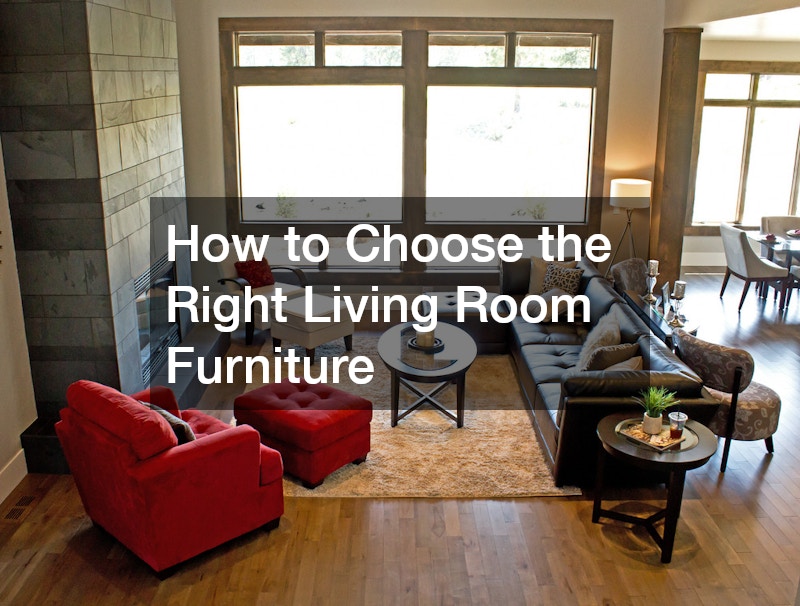

Choosing the right living room furniture can transform your home into a warm and welcoming space. The process of selecting the perfect pieces can be as enjoyable as finally seeing them arranged in your living room. Whether you’re starting from scratch or revamping an existing space, having a clear strategy is key in creating a room that fits your lifestyle and aesthetic preferences.
Assessing Your Space
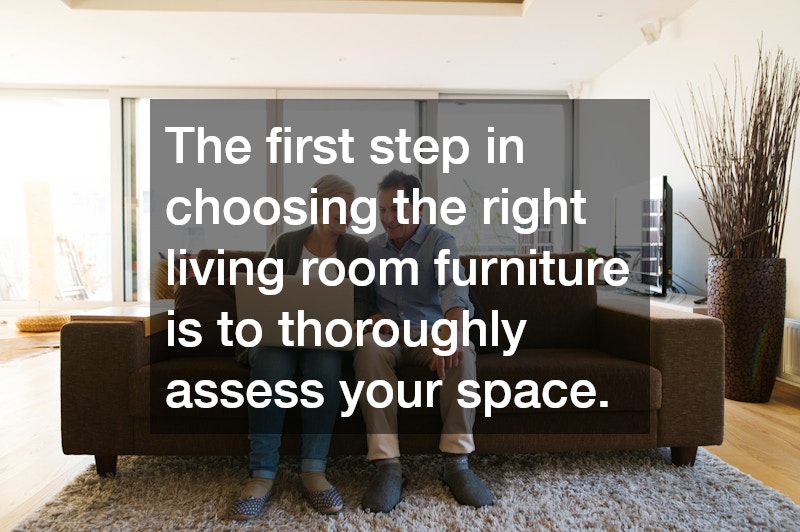
The first step in choosing the right living room furniture is to thoroughly assess your space. Take measurements of your room to understand what you have to work with, considering both the square footage and the shape of the room.
Make sure to account for windows, doorways, and any architectural features that might affect furniture placement. This will help you avoid purchasing pieces that are too large or small for your space. Moreover, knowing your room’s limitations can guide you in making decisions about what types of furniture will fit harmoniously within your living area.
Furthermore, consider the functional needs of your living room. Think about how you use the space—is it a relaxed family room, a formal entertaining area, or a combination of purposes? This will influence the type of furniture you prioritize, such as choosing a large sectional sofa for family movie nights or a sleek coffee table for stylish gatherings. Understanding the role your living room plays in your daily life will guide your selections. The furniture should support your lifestyle, not hinder it.
Another aspect to consider is how the living room furniture will flow with the rest of your home. Ensure that the new pieces complement the style and color palette of adjacent rooms. This creates a seamless transition between spaces and a cohesive look throughout your home. Before making any purchases, take note of colors, textures, and patterns already present. Harmony in design starts with considering what you already have and how new additions will fit into the larger picture.
Exploring Different Furniture Styles
When it comes to selecting the right furniture, understanding various styles can significantly impact the overall aesthetic of your living room. Explore different styles, such as modern, traditional, eclectic, and minimalist, to find what resonates with your taste. Visiting various furniture stores can provide inspiration and help you visualize how different pieces will look together. It can be helpful to take photos and notes during these visits to compare options later.
Each style has distinct characteristics that can help convey your personal preference. For example, modern furniture often features clean lines and a neutral color palette, creating a sleek and simple appearance. On the other hand, traditional furniture tends to emphasize rich details and textures, bringing warmth and sophistication to the space. Eclectic styles mix diverse elements and patterns, allowing for a unique and personalized look.
To refine your choice further, consider how different styles reflect your lifestyle and personality. If you prefer clean and uncluttered spaces, minimalist furniture might be ideal. If you love collecting unique pieces from various eras, an eclectic look will accommodate your passions. Balancing personal style with practicality ensures your living room is both beautiful and functional. Your furniture choices should make you feel at home while inspiring admiration from guests.
Choosing Quality Over Quantity
When it comes to furniture selection, quality should take precedence over the number of items in your living room. While it may be tempting to fill your space with a variety of pieces, investing in quality furniture that will last longer and withstand daily wear is a smarter choice. Look for furniture made from durable materials such as hardwood or high-quality fabric. These materials not only offer longevity but also retain their appearance better over time.
High-quality furniture pieces often come with a hefty price tag, but they offer better value in the long run. Rather than frequently replacing cheaply made items, you’ll enjoy the comfort and durability that comes with well-crafted furniture. Many furniture stores offer financing options to help manage the upfront investment. Prioritizing quality means your living room will have a polished look that stands the test of time.
Additionally, well-made furniture often provides better comfort, which is an important aspect of your living room. Comfort should never be sacrificed for style, as this is a space where you, your family, and guests will spend considerable time. Quality does not just pertain to materials but also to design—look for ergonomic pieces that support relaxation and social interactions. Choosing quality furniture is an investment in your home’s future, ensuring lasting enjoyment and satisfaction.
Planning for Future Living Room Needs
While your current needs are a major factor in your furniture selection, it’s wise to consider potential future changes. Flexible furniture solutions that can adapt to evolving lifestyle demands will save you future stress and expenditure. For instance, choosing couches with storage or expandable dining tables can maximize efficiency and provide additional utility. When visiting furniture stores, inquire about versatile options that could seamlessly integrate into your living room.
Think about prospective lifestyle changes, such as expanding your family or changing your entertaining habits. If you anticipate needing more seating or space for children to play, accommodate these needs in your furniture choices now. Flexible furniture can prevent you from having to refurnish as your requirements change over time. Additionally, selecting timeless designs will allow for longevity past passing trends, ensuring your investment remains stylish.
Anticipating future needs isn’t just smart for functionality; it likewise maintains harmony in your living room. Leaving a bit of room for growth means your space can handle adjustments without appearing cramped or disjointed. A well-designed living room with foresight incorporates scalable solutions and timeless aesthetics. This approach not only makes design transition smoother but enriches the living experience over the years.