DIY home improvement projects have become increasingly popular as more homeowners look for ways to save money, build new skills, and take control of upgrades around their property. From landscaping and outdoor cleanups to small concrete projects and interior updates, the ability to complete work independently can be both rewarding and cost-effective. However, many DIY projects require specialized tools that are expensive to purchase and difficult to store long-term. This is where planning, preparation, and access to the right resources become essential.
One of the biggest challenges for DIY enthusiasts is balancing ambition with practicality. While it may be easy to start a project with enthusiasm, the lack of proper tools can quickly slow progress or lead to uneven results.
Heavy-duty machinery, precision tools, and power equipment are often necessary for tasks that go beyond basic household repairs. Instead of investing large amounts of money into equipment that may only be used once or twice, many homeowners are turning to more flexible solutions that allow them to complete projects efficiently without long-term ownership commitments.
As DIY culture continues to grow, so does the availability of convenient access to specialized tools. This shift has made it easier for homeowners to take on projects that once required professional contractors, opening the door to more creative and cost-conscious home improvements.
Choosing the Right Tools for Your Project
Every successful DIY project begins with understanding what tools are needed and how they will be used. Whether the goal is to build a backyard patio, level uneven ground, or refresh a garden space, selecting the correct equipment determines both efficiency and quality of work. Many homeowners underestimate how much difference the right tools can make, especially when dealing with materials like concrete, soil, or heavy landscaping features.
Before starting any project, it is important to assess the scope of work and identify the tasks that require specialized equipment. For example, digging and excavation may require machinery that cannot be replicated with handheld tools. Similarly, smoothing or finishing concrete surfaces demands precision tools designed specifically for that purpose. Planning ahead helps avoid delays and ensures that each stage of the project runs smoothly.
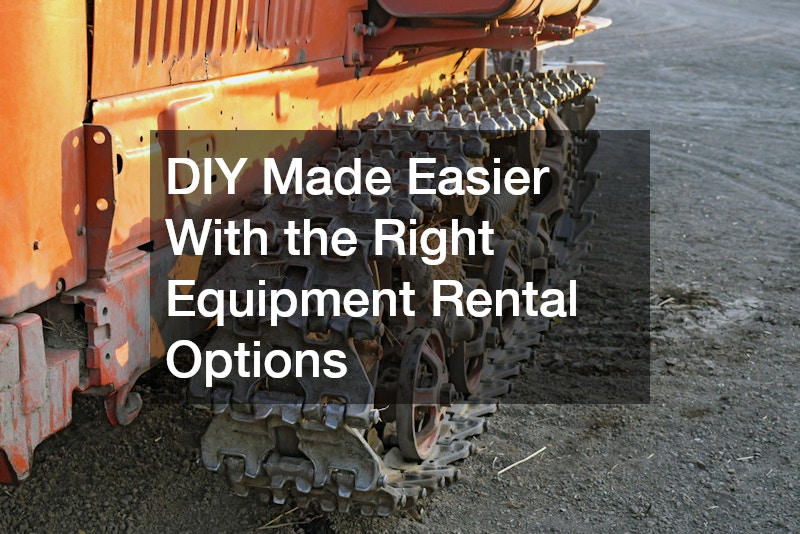
In many cases, homeowners find that accessing an equipment rental service provides a practical solution for obtaining the tools they need without unnecessary investment. This approach allows individuals to match tools directly to project requirements, ensuring that each job is completed with the appropriate level of power and precision. It also eliminates the burden of maintenance and storage once the project is finished.
Working With Concrete and Structural Materials
Concrete work is another area where DIY projects can quickly become complex without the right support. Mixing, pouring, leveling, and finishing concrete requires precision and timing. Even small errors can affect durability and appearance, making proper tools essential for success.
For homeowners attempting pathways, patios, or small structural elements, having access to specialized concrete tools is crucial. These tools ensure smooth application, even surfaces, and proper curing conditions. Without them, achieving a professional-quality finish can be extremely difficult.
This is where equipment rental becomes especially valuable. It allows DIY builders to access high-performance tools that are typically reserved for professional contractors. By using the correct machinery for mixing and finishing, homeowners can achieve results that are both durable and visually appealing without long-term investment.
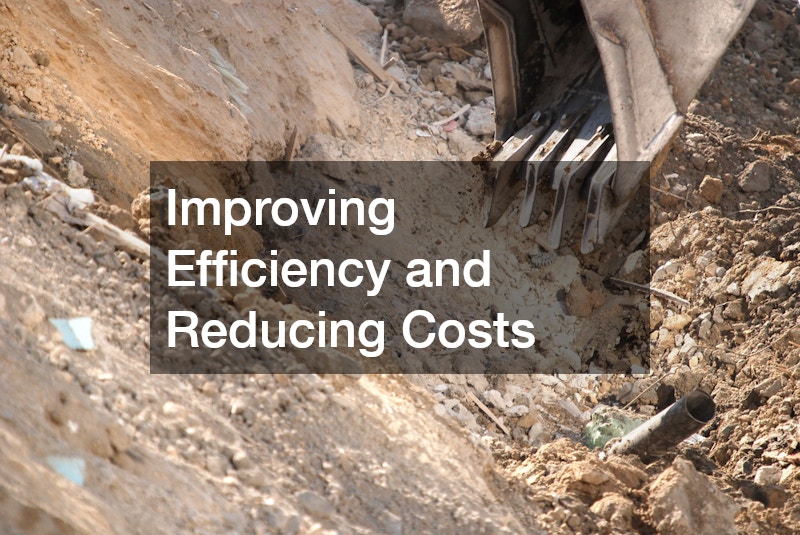
Improving Efficiency and Reducing Costs
One of the main advantages of using rented tools is cost efficiency. Purchasing high-quality equipment can be expensive, especially when the tools are only needed for short-term use. By choosing flexible access instead of ownership, homeowners can allocate their budgets more effectively toward materials and design improvements.
Another benefit is the reduction in maintenance responsibilities. Power tools and heavy machinery require regular servicing to remain safe and functional. When using temporary access solutions, maintenance is typically handled externally, allowing users to focus entirely on their project.
This approach also encourages better planning. Since tools are often rented for specific timeframes, homeowners are more likely to organize their projects efficiently and complete tasks within set periods. This helps reduce delays and keeps projects moving forward smoothly.
In many cases, relying on equipment rental also provides access to newer, more advanced tools that may not be affordable to purchase outright. This ensures higher performance and better results across a wide range of DIY applications.
One of the most important takeaways from modern DIY culture is the value of flexibility. Instead of investing heavily in equipment that may only be used occasionally, homeowners can focus on selecting the right tools for each specific task. This approach not only reduces financial strain but also ensures that every project is completed with the appropriate level of precision and efficiency.
Safety and quality also improve when the correct tools are used. Properly designed equipment allows for more controlled execution, reducing the likelihood of mistakes and accidents. This is especially important for projects involving heavy materials or structural work, where accuracy is essential.
Ultimately, successful DIY work depends on preparation, knowledge, and access to the right resources. When these elements come together, homeowners can confidently take on a wide range of projects and achieve professional-level results. With thoughtful planning and smart use of available tools, DIY becomes not just a cost-saving strategy, but a rewarding and empowering approach to home improvement.