
Real estate investors often learn the hard way that time is literally money. Every single day a property sits unfinished, carrying costs tick upward. Property taxes, insurance premiums, and construction loan interest can quickly erode a flipper’s potential profit margins. Therefore, managing a renovation requires more than just a healthy bank account and a vision; it requires a flawless logistical plan. Knowing which trade professional to call and exactly when to call them makes the difference between a lucrative investment and a stressful financial drain. Many novice flippers make the mistake of hiring multiple crews simultaneously, leading to crowded workspaces, accidental damage to new work, and massive delays. Conversely, looking at how large-scale home builders orchestrate their developments can provide a masterclass in efficiency. These large entities understand that a house must be built from the inside out, following a strict structural hierarchy. By treating a standard flip with the same methodical planning as a ground-up development, an investor can maximize efficiency, maintain high quality, and ensure that every dollar spent directly enhances the ultimate appraisal value of the property.
The Critical Planning and Permitting Phase
Before any physical work can begin on a property, a successful investor must spend ample time in the planning and administrative phase. Rushing into demolition without a clear architectural roadmap or the proper municipal permits is a recipe for disaster. This initial phase involves conducting a thorough walkthrough to identify structural deficiencies, outdated utilities, and layout limitations. During this period, the investor creates a highly detailed scope of work for every single room in the house. This crucial document outlines materials, finishes, and the exact structural changes intended for the property. Simultaneously, this is the ideal time to submit architectural plans to the local building department. Waiting for permits can take anywhere from a few days to several weeks, depending on the complexity of the project and the speed of local government offices. Attempting to bypass this step to save time frequently backfires, resulting in costly stop-work orders, heavy fines, and the potential demolition of unpermitted work. Smart project managers use this administrative waiting period to vet independent contractors, gather competitive bids, and draft clear agreements. Securing commitments from reliable professionals early ensures that the physical work can progress without interruption, the moment the municipality grants formal approval.
Securing the Exterior Envelope First
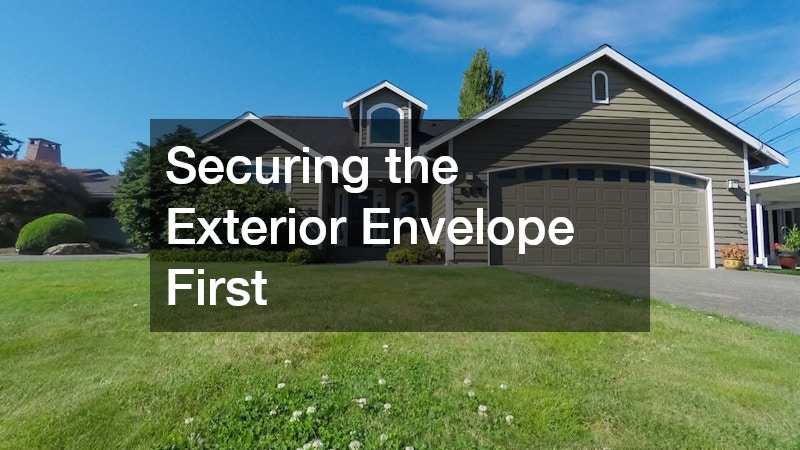
Once the paperwork is in order and initial demolition finishes, the very first physical priority must be protecting the home from the elements. There is absolutely no point in hanging new drywall or installing expensive hardwood flooring if water is leaking through the ceiling. The exterior envelope of the house must be completely secure and weather-tight before any interior trades begin their work. This means inspecting the foundation for cracks, ensuring the grading directs water away from the structure, and evaluating the roof thoroughly. If the existing shingles are curling, missing, or past their useful life, resolving this issue takes absolute precedence over cosmetics. Hiring a qualified roofer should always happen before any interior cosmetic upgrades begin on the property. A solid, leak-free roof protects the subsequent financial investments made inside the home. Repairing structural issues first prevents the frustrating scenario where brand-new materials are ruined by an unexpected rainstorm. During this phase, windows and exterior doors should also be replaced or repaired to seal the building completely. This structural stabilization provides a safe, dry, and secure environment where interior contractors can work efficiently without worrying about weather-related disruptions or property damage.
The Mechanical Rough-In Order of Operations
With a secure shell protecting the property, the focus shifts entirely to the internal infrastructure. This stage is known as the mechanical rough-in phase, where the hidden systems of the home are installed or modernized. This includes all the electrical wiring, plumbing supply lines, drain pipes, and ductwork that live behind the walls. Scheduling these trades requires careful coordination because they often need to occupy the same small spaces between wall studs and floor joists. Generally, the plumbing lines go in first because heavy drain pipes require specific slopes and cannot easily bend around other utilities. For example, a skilled plumber must complete the drain lines before drywall covers the framing. Following the plumbing layout, electrical wiring, and low-voltage cables are routed throughout the structure. Electrical wires are highly flexible and can easily navigate around pre-installed pipes. Managing this sequence correctly prevents contractors from accidentally cutting through each other’s work. It also ensures that the house meets modern building codes, which is essential for passing the mandatory rough-in inspections required by local authorities before the walls can be closed up permanently.
Climate Control and Environmental Stabilization
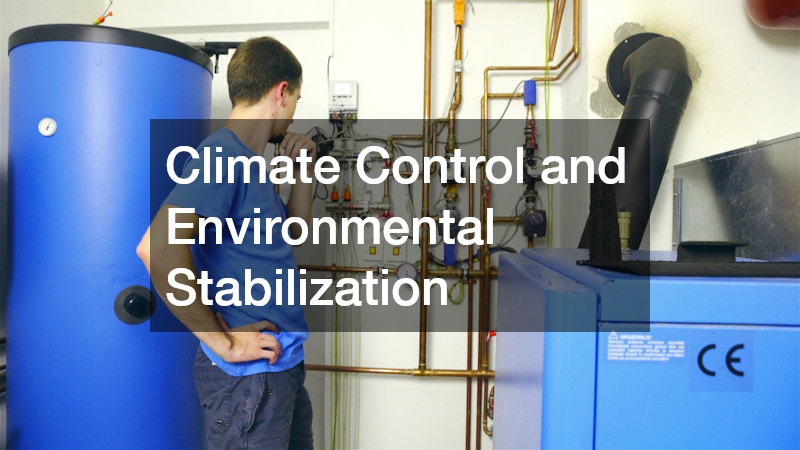
As part of the mechanical overhaul, upgrading or repairing the heating and cooling systems is vital for both compliance and future buyer comfort. An efficient climate control system is one of the most scrutinized aspects during a home inspection, making it a critical area for investment. If the existing system is structurally sound but outdated, bringing in a specialist to diagnose and fix inefficiencies can save thousands of dollars compared to a full replacement. Sometimes an older unit does not need a complete replacement, requiring only targeted HVAC repair to reach functional status. This work must be synchronized with the other mechanical trades to ensure that new ductwork does not interfere with plumbing lines or electrical panels. Proper ventilation must also be routed for kitchen exhaust hoods and bathroom exhaust fans during this time. Once the climate systems are fully operational, they can be used to regulate the interior temperature and humidity of the home. This environmental control is highly beneficial during the upcoming phases, as it allows materials like drywall compound, paint, and wood flooring to acclimate and cure under optimal conditions.
Expanding Usable Square Footage and Insulation
After the rough-in systems pass their respective municipal inspections, the transformation of the home’s layout can truly take shape. This is the stage where insulation is installed, and drywall is hung, taped, and mudded, effectively sealing the walls and defining the rooms. It is also the ideal moment to focus on expanding the usable square footage of the property to maximize the appraisal value. Many older homes have dark, unfinished spaces that represent untapped equity for an investor. Converting these areas into bright, functional living zones can dramatically increase the marketability of the property. For instance, finishing a below-grade space with a comprehensive basement remodel adds massive appraised value. This type of project can turn a damp storage area into a valuable family room, a home theater, or an additional bedroom suite. However, this work must be timed precisely after the structural waterproofing and mechanical rough-ins are complete. Ensuring that the space is entirely dry and properly conditioned prevents future mold issues, protecting the substantial investment required to frame, drywall, and finish an entirely new level of the home.
High-Yield Interior Finishes and Tile Work
Once the walls are smooth and primed, the renovation enters its most visually impactful phase: the installation of finish materials. Kitchens and bathrooms are universally recognized as the rooms that sell houses, meaning they require the highest level of craftsmanship and attention to detail. Buyers look closely at these spaces to judge the overall quality of the entire renovation. Therefore, allocating a significant portion of the budget toward bathroom remodeling yields a high return on investment. This process begins with installing tile backer boards, waterproofing membranes, and custom shower pans. Next, beautiful floor and wall tiles are meticulously laid down. Precision is crucial here, as uneven tiles or sloppy grout lines can instantly cheapen the look of an otherwise beautiful home. Vanity cabinets are anchored to the walls, and plumbing fixtures are connected to the pre-installed rough-ins. By prioritizing these high-traffic wet areas early in the finishing phase, project managers give the specialized materials plenty of time to set and dry completely before traffic increases inside the property.
Stone Surfaces and Kitchen Integration
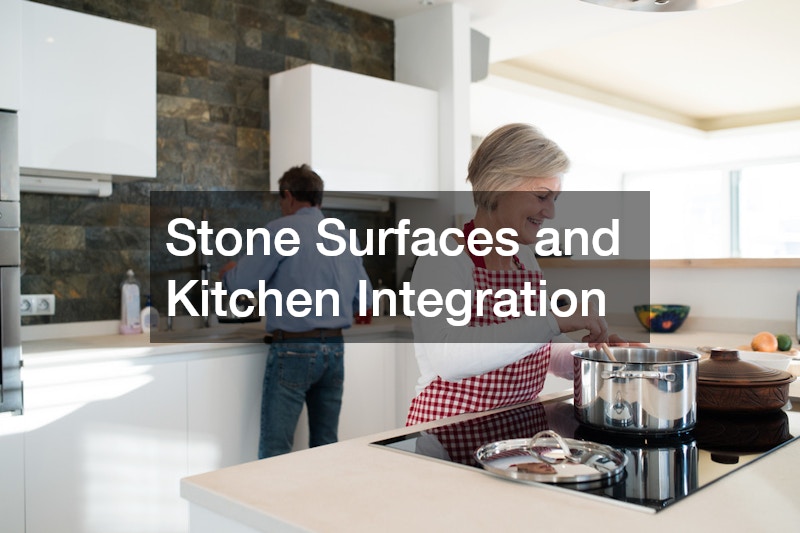
Directly following the installation of cabinetry in the kitchen and bathrooms, the focus shifts to selecting and templating the surfaces that define the room’s aesthetic. Countertops serve as the visual centerpiece of a modern kitchen, and choosing the right material can make the space feel incredibly luxurious. Once the base cabinets are permanently secured and leveled, fabricators can take precise measurements. Selecting stone or quartz through local countertop services elevates the entire kitchen design. These professionals use specialized tools to cut, polish, and install heavy slabs of granite, quartz, or marble perfectly against the walls and around undermount sinks. Because custom fabrication typically takes a week or two, scheduling this service early in the finish phase prevents bottlenecks. While waiting for the surfaces to be delivered, other trades can focus on painting the ceilings, installing interior doors, and running baseboard trim throughout the rest of the house. This overlapping schedule keeps the project moving forward without wasting precious days.
Enhancing Curb Appeal and Property Boundaries
While the interior finishes are being completed, a smart project manager will simultaneously direct attention to the outside of the home. First impressions are incredibly powerful in real estate, and a property’s exterior sets the expectations for what lies inside. Curb appeal can draw potential buyers in from the street or cause them to drive right past without a second thought. This phase involves painting the exterior trim, refreshing the landscaping, clearing out overgrown bushes, and installing clear boundaries. Property boundaries look significantly better after a professional wood fence installation project. A new fence not only defines the property lines clearly but also provides a sense of privacy and security that is highly attractive to families with children or pets. Completing outdoor projects during the final stages of the interior work ensures that the entire property looks cohesive and fully finished when it finally hits the market. It also keeps heavy outdoor equipment away from the property early on, avoiding damage to the lawn or driveway during the messy demolition phases.
The Psychological Impact of Interior Staging

With the dusty construction work finally complete, the house transitions from a hectic construction zone into a welcoming home. Before anyone can see the property, it must be staged to look its absolute best. Staging helps buyers understand the scale of each room and envision how they would utilize the space. An empty house often feels cold, small, and uninviting, whereas a staged home tells a compelling lifestyle story. Arranging contemporary furniture helps prospective buyers visualize themselves living in the space. Strategic staging focuses on the main living areas, the primary bedroom, and the kitchen eat-in spaces. The chosen pieces should be clean, modern, and neutral in color to appeal to the widest possible demographic. Lighting is also critical during this phase; ensuring all bulbs are working and casting a warm light makes the home feel spacious and cheerful. This aesthetic presentation bridges the gap between raw construction and an irresistible real estate listing, driving up the emotional value of the home.
Post-Construction Detailing and Final Inspections
The final step before the marketing photos are taken is often the most overlooked, yet it is completely vital to a successful sale. Months of sawing wood, sanding drywall, and tracking in dirt leave a fine layer of dust on every single surface imaginable. A standard wipe-down is simply not enough to prepare a flipped home for the scrutiny of modern buyers who expect perfection. Before the photographer arrives, bringing in a meticulous home cleaner ensures every surface sparkles. This deep cleaning process includes scrubbing windows inside and out, wiping down the insides of all cabinets, polishing light fixtures, and removing paint splatters from floors and trim. It is only after this thorough cleaning that a project manager can perform a true final punch-list walkthrough. With a clean slate, any minor defects, missed paint spots, or loose fixtures become immediately apparent and can be corrected quickly before the official open house.
Executing a Flawless Project Exit
Ultimately, a profitable property flip relies heavily on the art of scheduling. By respecting the natural order of construction, from the roof down to the final deep clean, investors can eliminate costly delays and avoid the nightmare of redoing damaged work. Managing a flip is essentially a complex puzzle where each professional represents a crucial piece. When an investor plans the sequence methodically, budgets efficiently, and maintains clear communication with every subcontractor, the entire process runs more smoothly. This careful execution preserves precious profit margins and delivers a beautiful, safe, and highly desirable home to the market, ensuring a strong return on investment.