Your home’s outdoor systems work quietly in the background until something breaks down, and by then repairs are often more expensive than they needed to be. Roofs, decks, fences, and mechanical equipment all give off subtle warning signs long before they fail completely. Learning to spot these clues early can save you thousands of dollars and prevent small issues from turning into emergencies. This guide walks through the most common outdoor systems around a typical home and the red flags that mean it’s time to call in help.
Cracked or Curling Roof Shingles
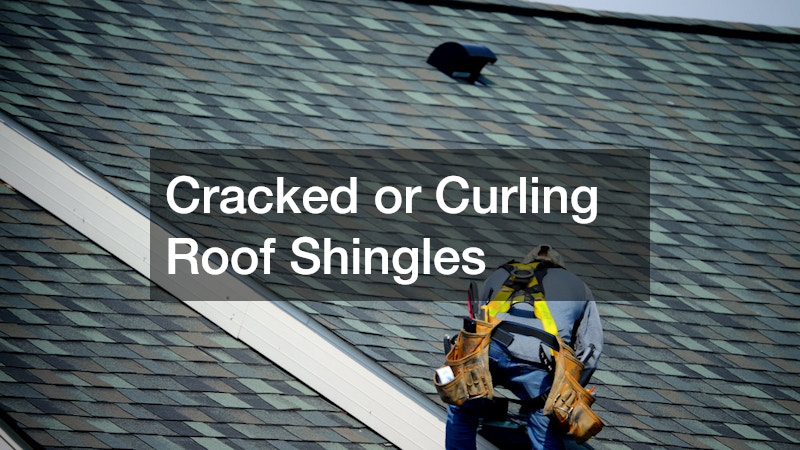
Your roof takes more abuse than almost any other part of your home, absorbing sun, wind, hail, and temperature swings year after year. Shingles that curl at the edges, crack, or lose their granules are telling you the material is drying out and losing its ability to protect the structure underneath. Left unaddressed, these small issues let moisture seep into the decking, leading to rot and interior leaks that are far costlier to fix.
If you notice granules collecting in your gutters or dark streaks spreading across the roofline, it’s worth scheduling an inspection sooner rather than later. Many roofing companies offer free assessments and can tell you whether a simple repair will do or whether a full replacement makes more financial sense long term.
- Shingles that look bald or patchy in spots
- Daylight visible through the attic boards
- Sagging areas along the roofline
- Moss or algae growth in shaded sections
Sagging Rooflines and Water Stains in the Attic
A sagging ridge or dipping section of roof is one of the more serious signs a home can show, often pointing to structural damage from long-term water exposure or age-related wear. Rotted decking, weakened rafters, or compromised trusses are common culprits, and once the wood framing starts to give way, the roofline will visibly bow rather than sit straight. This kind of problem rarely resolves on its own and tends to worsen with every storm season, as added weight from rain or snow puts more strain on already-compromised supports. If you spot uneven spots when viewing your roof from the street, it deserves prompt attention rather than a wait-and-see approach. Standing back and scanning the ridge line from multiple angles, or comparing it to neighboring homes of similar age and design, can help you catch subtle dips before they become obvious sags. Inside the house, water stains on the attic ceiling or upper-floor walls are another red flag that often accompanies roof sagging. Brown or yellow rings, peeling paint, or a musty odor in the attic can signal that moisture has been seeping in for months, sometimes long before any exterior damage becomes visible. Left unaddressed, this trapped moisture can lead to mold growth, insulation damage, and further weakening of the wood framing, turning a moderate repair into a costly structural overhaul.
A sagging roofline is rarely just a cosmetic quirk—it’s often a sign that structural supports have been compromised by prolonged moisture exposure or excessive weight from years of accumulated roofing layers. If you notice a dip or wave when viewing your roof from the street, or if interior doors and windows near the attic have started sticking, these can be secondary symptoms of the same underlying problem. Left unaddressed, sagging can progress from a minor structural concern to a costly rebuild. Water stains on attic rafters or ceiling drywall are another giveaway that moisture is getting where it shouldn’t. Brownish rings, dark streaks, or a musty smell near the roofline all point to water infiltration, even if the stain itself looks dry and old. Residential roofing contractors can trace the source of a leak, which isn’t always directly above the stain since water often travels along beams before dripping down. During an inspection, contractors typically check flashing around chimneys and vents, examine shingle condition, and look for gaps in the underlayment—common entry points for water. Catching this early can mean the difference between patching a small area and replacing large sections of decking and insulation. Waiting even one more rainy season can turn a few hundred dollars of repair work into thousands, especially if mold or rot sets into the framing.
Warped or Rotting Exterior Wall Panels
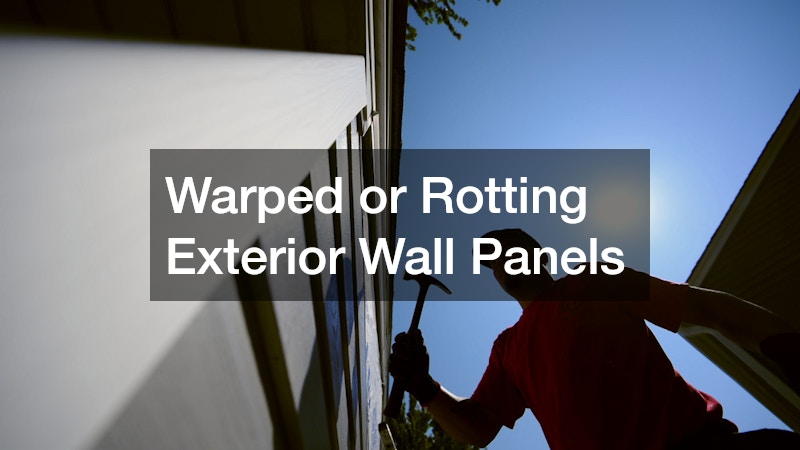
Siding acts as your home’s first line of defense against wind, rain, and pests, so any warping, bubbling, or soft spots should be taken seriously. Wood siding that feels spongy to the touch has likely absorbed moisture and started to rot from the inside out. Vinyl siding that’s cracked or missing sections leaves the underlying sheathing exposed to the elements.
Beyond moisture damage, faded or chalky siding can signal that the protective coating has broken down, which affects both curb appeal and insulation performance. Replacing damaged sections promptly prevents the problem from spreading to healthy panels nearby.
- Visible gaps or loose panels along seams
- Peeling paint or bubbling on painted wood siding
- Increased energy bills from poor insulation
- Mold or mildew growth at the base of exterior walls
Struggling Central Air Systems
When your air conditioner runs constantly but never quite reaches the temperature you’ve set, it’s usually a sign the system is working harder than it should. Reduced airflow, strange noises, or a noticeable spike in your electric bill during peak summer months are all common indicators that something inside the unit needs attention. Ignoring these signs often leads to a complete breakdown at the worst possible time.
Scheduling routine AC service before the hottest months hit can catch small issues like low refrigerant or a dirty coil before they turn into compressor failures. A technician can also clean components that are hard for homeowners to reach safely, extending the life of the whole system by several years.
Water Heater Age and Performance Issues
Most tank-style water heaters last between eight and twelve years, and performance tends to decline noticeably as they approach the end of that range. Lukewarm water, rusty discoloration, or a rumbling noise coming from the tank are all signs that sediment has built up inside and the unit is struggling to heat efficiently. A puddle forming around the base is an even more urgent signal, often pointing to a crack in the tank itself.
Rather than waiting for a full failure that floods your utility closet, it makes sense to call for water heater repair at the first sign of trouble. In many cases a technician can flush the tank or replace a worn part, buying you several more years before a full replacement is necessary.
Sticking Garage Doors and Worn Springs
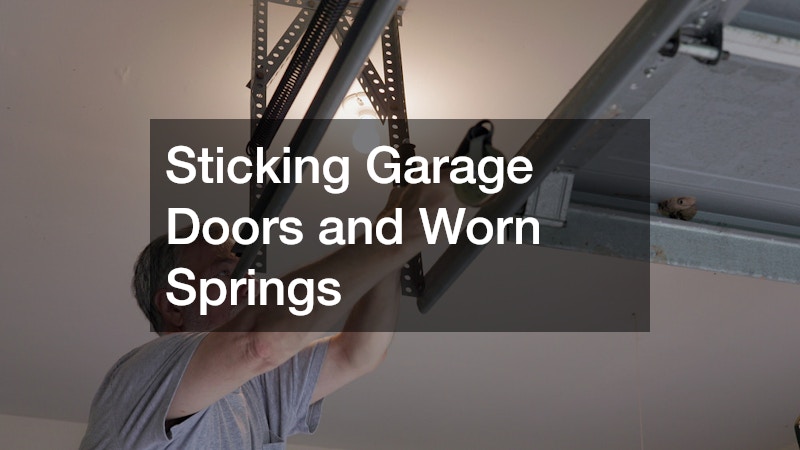
A garage door that feels heavier than usual, opens unevenly, or makes a loud bang when operating is almost always a sign of spring trouble. These springs carry enormous tension and wear out gradually from repeated use, eventually reaching a point where they can snap unexpectedly. Because of the force involved, this is not a project most homeowners should attempt on their own.
Garage door spring repair is best left to trained technicians who have the right tools and safety equipment to handle the tension involved. If you notice your door slamming shut or struggling to stay open partway, treat it as a signal that the springs are nearing the end of their lifespan.
Aging Kitchen and Laundry Appliances
While not strictly an outdoor system, many homes have appliances housed in garages, mudrooms, or outdoor kitchens that face extra wear from temperature swings and humidity. Refrigerators that run constantly, washing machines that vibrate excessively, or ovens with uneven heating are all signs of components wearing down faster than they would indoors. Catching these issues early prevents costlier breakdowns and potential water or electrical damage.
When it’s time to replace rather than repair, working with a knowledgeable appliance dealer can help you choose models built to handle outdoor-adjacent conditions, such as garage-rated refrigerators or moisture-resistant washers. They can also guide you toward energy-efficient options that lower long-term utility costs.
Weathered Boundary Barriers and Leaning Posts
Fencing takes a beating from wind, moisture, and ground movement, and over time even sturdy materials can start to lean or lose structural integrity. Wood posts that wobble at the base often indicate rot has set in below the soil line, while metal fencing can develop rust that weakens joints and connectors. A fence that no longer sits flush or has visibly shifted sections is worth inspecting before it fails during a storm.
Small repairs like replacing a single post or tightening hardware can often extend a fence’s life significantly if caught early. Waiting too long, however, usually means replacing entire sections instead of isolated problem spots.
- Posts that shift or wobble when pushed
- Visible splitting or cracking along rails
- Gates that no longer latch properly
- Rust stains bleeding through paint on metal fencing
Deteriorating Deck Boards and Structural Supports

Decks endure constant exposure to sun and moisture, and even durable composite materials show wear eventually. Soft spots, discoloration, or nails popping up from the surface are early indicators that boards are breaking down and may need replacement. Railings that feel loose or wobbly are a safety concern that shouldn’t be put off, since they often point to weakened support posts underneath.
Homeowners looking to avoid these recurring maintenance headaches sometimes turn to a trex deck builder for a composite upgrade that resists rot, splintering, and insect damage far longer than traditional wood. While the upfront cost is higher, the reduced maintenance and longer lifespan often make it worthwhile for busy households.
Storage Structures Showing Wear and Damage
Backyard sheds are easy to overlook, but neglecting them can lead to bigger problems like structural collapse or water damage to whatever’s stored inside. Doors that stick, roofs that sag, or walls that show gaps at the seams all suggest the structure has started to shift or deteriorate. Since sheds are often built on simple foundations, ground movement can accelerate these issues over time. Pay attention to the roofline in particular. A sag of even an inch or two across a shed roof can signal rotting rafters or trusses that have absorbed too much moisture, and left unaddressed, this can eventually lead to a partial collapse under snow load or heavy rain. Peeling paint, dark streaks, or a musty smell inside are early indicators that water is getting in somewhere it shouldn’t. The base of the structure deserves equal scrutiny. Wood siding that touches soil directly, rather than sitting on a raised foundation or gravel pad, is especially prone to rot and termite activity within just a few years. Check the corners and bottom trim boards for soft spots, discoloration, or crumbling wood, since these are usually the first areas to fail. Metal sheds carry their own warning signs, including rust spots, popped rivets, or panels that flex noticeably in the wind. Even small punctures can widen quickly once moisture gets behind the metal skin. Addressing these issues early, whether through resealing seams, replacing a few boards, or shimming a shifted foundation, is far cheaper than rebuilding an entire structure after years of deferred maintenance.
Sheds and outbuildings take a beating from sun, moisture, and shifting ground, and the signs of trouble often start small. Look for soft or spongy spots on the roof, doors that stick or no longer close flush, and gaps where siding has pulled away from the frame. A leaning structure, visible rot along the base, or rusted hardware on hinges and latches are all signals that the building’s integrity is compromised, not just its appearance. If your current shed is beyond simple patching, consulting a storage shed builder can help you decide between repairing the existing structure or replacing it with a more durable design suited to your climate and storage needs. For example, a builder may recommend pressure-treated skids and a raised floor in wet regions, or reinforced anchoring in areas prone to high winds. Cost is often the deciding factor, but it’s worth weighing against longevity. A patch job might run a few hundred dollars and buy you a couple more years, while a full replacement built with quality materials can last two to three decades with minimal maintenance. A well-built replacement can last decades longer than a quick DIY fix, and many builders also offer upgrades like better ventilation, stronger flooring, or custom shelving that a repaired structure simply can’t match.
Staying ahead of these warning signs protects both your home’s value and your budget, since small repairs are almost always cheaper than emergency replacements. Walk around your property every few months and check the systems covered here, paying close attention to anything that looks worn, cracked, or out of place. When you do spot a problem, addressing it quickly with the right professional will save you time, money, and stress down the road.