Having a reliable air conditioning system is essential for maintaining comfort during hot weather. However, like all home appliances, air conditioners have a lifespan and may ultimately require replacement. Fortunately, there are several signs that can signal when it is time for a new AC unit, allowing you to plan accordingly and ensure ongoing comfort.
Poor Airflow
The first sign that you may need a new AC is experiencing poor airflow throughout your home. If certain areas of your living space are consistently warmer than others, it may indicate that your AC system is struggling.
Poor airflow can be a result of clogged ductwork, a failing fan, or even an aging compressor that can no longer distribute cool air effectively.
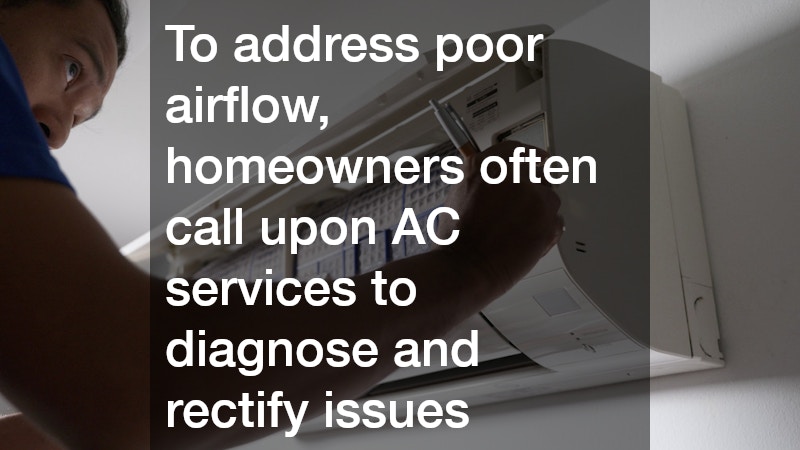
To address poor airflow, homeowners often call upon AC services to diagnose and rectify issues. Often times, simple maintenance can improve airflow, but if the problem persists, it might be time to consider a replacement. An upgrade could not only enhance comfort but also improve energy efficiency.
Ensuring adequate airflow is essential not only for comfort but also for maintaining good indoor air quality. AC services can help determine if poor airflow has other underlying causes which might contribute to health issues. A new, more efficient system could potentially resolve airflow problems and provide cleaner, healthier air.
Unusual Noises
Another indicator that you might need a new AC unit is the presence of unusual noises during operation. While many air conditioners produce some level of sound, strange or loud noises could signify mechanical problems. These include grinding, squealing, or banging noises that generally suggest failing components inside your AC unit.
Such noises can stem from worn-out bearings, loose parts, or even debris lodged within the unit. If not addressed, continuing to operate a noisy system could lead to further damage, potentially increasing costs. Engaging professional AC services early can help determine if repairs are possible or if a new unit might be the more cost-effective solution.
Moreover, newer air conditioners are typically designed to operate more quietly, providing a comfortable ambiance without disruptions. Investing in a new AC that operates smoothly can make a significant difference, especially for those who value peace and quiet. This contributes not only to comfort but to a more serene home environment overall.
Frequent Repairs
If your air conditioning unit is requiring frequent repairs, this could be a sign that it’s time for a new system. Ongoing maintenance and part replacements can add up over time, making it financially sensible to invest in a new unit. This is particularly true when older systems exhibit persistent problems despite multiple repair efforts.
An aging air conditioner may have parts that are difficult to replace as manufacturers phase out older models. In some cases, the availability of parts can be limited, resulting in higher repair costs or delays. Therefore, consulting with AC services can provide insight into whether your AC unit is worth repairing or if it’s more practical to replace it with a modern, more reliable model.
Not only will a new AC provide peace of mind with fewer unexpected breakdowns, but you’ll likely save money on constant repair costs. Advances in energy efficiency in newer models also mean reduced utility bills. Transitioning to a new unit can offer long-term benefits in terms of savings and reliability.
Inefficient Cooling
Experiencing inefficient cooling can suggest that your AC unit is no longer functioning optimally. If your home takes longer to cool down or the system struggles to maintain the desired temperature, your AC might be nearing the end of its service life. This inefficiency often leads to increased energy consumption and higher electricity bills.
Professional AC services can identify issues related to cooling efficiency, such as refrigerant leaks or faulty thermostats. Often, these inefficiencies are a sign of wear and tear or even outdated technology. Replacing your old unit with a new, energy-efficient model can provide consistent comfort while reducing energy costs.
Investing in a modern air conditioning system ensures effective performance and optimal cooling. New systems often feature advanced technology that enhances efficiency and precision. Choosing to upgrade your AC not only resolves cooling issues but allows for more cost-effective and environmentally friendly operation.
Age of the Unit
The age of your AC unit is a critical factor in determining whether it needs replacement. Generally, air conditioners are designed to last around 10-15 years, depending on usage and maintenance. As the system approaches the end of this lifespan, performance issues and the need for more frequent repairs become increasingly common.
Older systems may also lack the efficiency and environmental standards of newer models, resulting in higher operational costs and more significant environmental impact. Discussing options with AC services can provide guidance on transitioning to a new system that meets current energy efficiency standards. This change can significantly impact both utility savings and comfort levels in your home.
Ultimately, replacing an aging system before it fails can prevent discomfort during peak seasons and ensure your home remains a cool, welcoming space. By planning ahead and consulting with AC professionals, you can make an informed decision that enhances your home’s efficiency and comfort. Taking this step also allows for potential energy savings and reduced carbon footprint.