
Owning a home is one of the most rewarding financial and personal milestones possible, but maintaining its value requires consistent care. Properties are subject to continuous natural wear and tear, ranging from seasonal thermal expansion and contraction to moisture intrusion and hardware fatigue. Without a structured preventive strategy, minor cosmetic issues can quietly evolve into severe structural failures that demand thousands of dollars in emergency fixes.
Adopting a quarterly maintenance schedule transforms home upkeep from an overwhelming chore into a manageable routine. By breaking down your home’s needs by season, you can methodically evaluate your interior living spaces, exterior building envelope, and utility systems. This guide provides an actionable blueprint designed to help you protect your investment, optimize energy efficiency, and maintain a safe, comfortable living environment for years to come.
Spring: Refreshing Interior Comfort and Safety
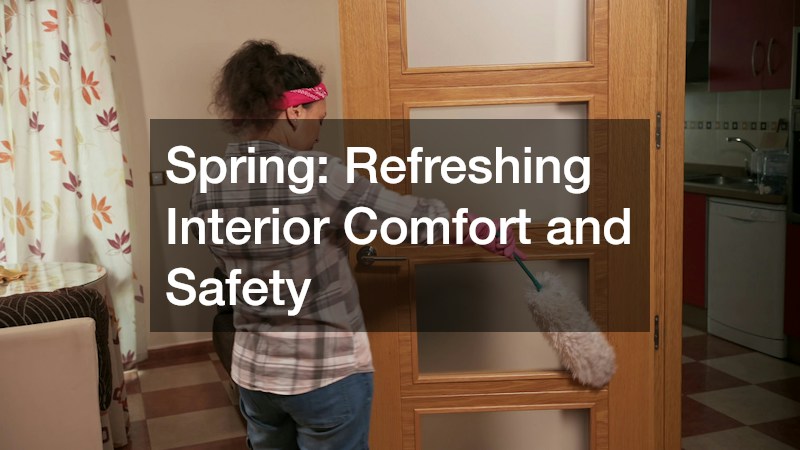
Spring heralds the perfect opportunity to rejuvenate your home, moving it from hunkering down for winter to the blossoming and refreshing state of readiness for the warmer months. As the days grow longer with natural light and temperatures experience a gentle rise, our focus naturally gravitates towards revitalizing our living spaces. It’s also a timely juncture to conduct a thorough review of critical life safety systems that ensure a secure environment.
Deep Cleaning and Seating Restoration
During the winter months, our indoor living spaces become highly trafficked, leading to accumulations of dirt, road salt, and atmospheric dust that settle into the fabrics of our furnishings. Such wear and tear challenges the durability of textile fibers and can compromise the comfort of internal cushioning over time.
- Begin your cleaning process by meticulously vacuuming all soft seating arrangements. Utilize narrow nozzle attachments to effectively reach into deep crevices in the furniture’s framework, ensuring a comprehensive clean.
- Inspect the furniture’s wooden and metal frames. Carefully examine structural joints for any signs of looseness, wobbling, or compromised fasteners that could undermine the integrity of seating structures.
- Regularly rotate and flip any loose cushions on a bi-weekly basis. This tactic ensures that wear and tear are distributed evenly across the seating surfaces, prolonging the aesthetic and functional life of the furniture.
- Address fabric stains promptly by using solvent-based cleaners that match the fabric’s material code. Immediate action prevents permanent blemishes and preserves the fabric’s original look and feel.
Particularly delicate or valuable items, such as heirloom furniture or pieces with intricate fabric, might suffer irreparable damage if cleaned improperly. Enlisting a professional furniture service can safeguard the integrity of internal components like springs and wood frames. For everyday furniture, regular deep cleaning does more than remove allergens; it enhances fabric elasticity and significantly extends the functional lifespan of your primary living space furnishings. If you want upholstered chairs, consider a furniture store.
Life Safety Equipment Audits
No spring-cleaning regimen would be complete without a meticulous audit of your home’s safety devices. Ensuring that smoke and carbon monoxide detectors function optimally demands semi-annual attention to maintain clear sensors and fully charged power sources.
Performing systematic checks confirms that these devices are prepared to operate without delay in the event of a crisis:
- Test each device by pressing and holding the test button until you hear a loud, clear audible signal, indicating proper functionality.
- Change out backup batteries in each unit. This practice ensures that batteries are fresh and ready, avoiding reliance on low-battery alerts as indicators for replacement.
- Use compressed air or a gentle brush attached to a vacuum to clear dust and debris from optical sensors. Doing so ensures sensors remain unobstructed and fully operational.
- Verify that a functional fire extinguisher is installed on each floor of your home. Placing them in easily accessible locations, like the kitchen and garage, is crucial for quick deployment during emergencies.
Regularly check the pressure gauge on each fire extinguisher. The indicator needle should confidently reside within the green operational zone. Should any extinguishers present low pressure, absent pins, or signs of nozzle corrosion, immediate replacement or servicing is necessary to maintain safety readiness.
Summer: Exterior Defense and Thermal Efficiency
Summer, a season characterized by soaring temperatures and powerful sunlight, subjects your home to a wide range of environmental challenges. These include severe thermal stress due to high temperatures, increased ultraviolet radiation that can damage surfaces, and the potential for heavy rainstorms, which can cause water damage. During these warmer months, it becomes imperative to focus on exterior maintenance. The goal is to ensure that your home remains well-protected against these harsh elements by sealing the building envelope effectively, optimizing the performance of your cooling systems, and preventing moisture infiltration before it can penetrate the structural framework of your house.
Window Seals and Solar Load Control
Windows are often the weakest link in thermal defense during summer as they are the primary entry point for unwanted solar heat gain. Inadequate glass properties and compromised weatherstripping can burden your air conditioning systems, forcing them to operate continuously, which results in increased utility bills and accelerates the wear and tear on mechanical components.
- Begin by examining the exterior caulking around window frames. Look for signs of deterioration such as cracking, shrinkage, or peeling, as these can indicate entry points for heat and moisture.
- Ensure smooth operation of windows by cleaning window tracks and balancing mechanisms. This will facilitate quick and efficient closure during sudden summer storms, preventing water from entering.
- Inspect double-pane windows for any signs of internal condensation. This is a critical check, as condensation between glass layers indicates a failed perimeter thermal seal, compromising energy efficiency.
- Check frame corners for any signs of wood rot or water staining, which could have been caused by winter condensation runoff. Addressing these issues is vital to maintaining the integrity of your window structures.
If you notice significant issues such as extensive rotting of the window frames or persistent condensation within double-glazed windows, it might be beneficial to consider scheduling a complete home window replacement. This investment will not only restore energy efficiency but will also re-establish the structural tightness of your home’s defenses. Additionally, to combat excessive glare and heat in rooms that face direct sunlight, utilizing a retrofit window tinting service is an efficient and cost-effective solution. This service helps in rejecting solar energy, protecting indoor furnishings like hardwood floors from fading due to sun exposure, and reducing the demand on air conditioning systems, all without sacrificing natural daylight.
Roof Line, Gutter, and Attic Inspections
The summer season, with its intense heat and potential for severe weather events like heavy storms, requires that the roof, which serves as the top layer of your home’s defense system, is well-maintained. Proper maintenance ensures that rainwater can efficiently run off your roof without seeping into attic spaces or the interior walls of your home, preventing potential structural damage.
A thorough exterior inspection should concentrate on several critical components:
- Safely survey the slopes of the roof from the ground or by using a ladder to spot any lifted, cracked, or missing shingles. Such deficiencies can lead to water infiltration and subsequent damage.
- Inspect the flashing surrounding chimneys, plumbing stacks, and skylights. Check for signs of deterioration such as rust or dried-out sealant, which can become points of water ingress.
- Remove any accumulated debris, leaves, and seed pods from gutter troughs to ensure they remain clear and functional.
- Use a garden hose to flush downspouts and verify that they are unobstructed, allowing for proper water drainage away from foundation walls to prevent water damage.
If you find shingle damage, particularly around specific areas like valleys or where there are roof penetrations, it is vital to arrange for roof repairs promptly. Doing so prevents hidden water intrusion, which can lead to rotted roof decking and ceiling leaks. Moreover, it is important to check your attic space, ensuring that soffit vents are not blocked by insulation, which can impede airflow. This allows heat to escape freely through ridge vents, maintaining a balanced temperature in your home.
Autumn: Winterizing Utilities and Moisture Control
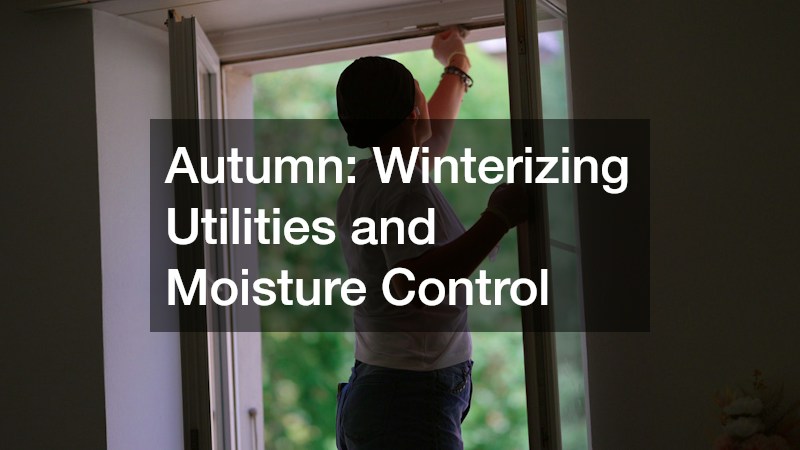
Autumn serves as the critical bridge between warm weather and freezing conditions. Preparing your home during fall centers on tuning central heating systems, protecting outdoor plumbing from freezing temperatures, and sealing air leaks around foundation perimeter walls.
Heating System Maintenance and Air Quality
Before cold weather settles in, your heating infrastructure must be thoroughly inspected, cleaned, and tested. Running a heating system that has sat idle for six months without basic maintenance can spread accumulated dust throughout interior spaces and cause unexpected mechanical failures during early freezes.
- Replace standard HVAC air filters with clean units rated appropriately for your system’s airflow specs.
- Clear all supply registers and return vents of furniture obstructions, carpet overhangs, or dust buildup.
- Test your primary wall thermostat by switching it to heating mode and setting the temperature five degrees above ambient room temperature.
- Inspect visible ductwork in unconditioned spaces like basements or crawlspaces for loose joints or detached insulation.
If your system produces unusual rattling sounds, smells like burning fuel, or fails to heat zones evenly during initial testing, calling a qualified technician for furnace repair ensures safe ignition, proper burner combustion, and crack-free heat exchanger operation.
Plumbing Winterization and Drainage Care
Plumbing lines located near exterior walls or in unheated spaces are vulnerable to catastrophic freezing. Unprotected water expands as it freezes, splitting pipes and creating massive indoor flooding when lines thaw.
- Disconnect, drain, and store all outdoor garden hoses before temperatures drop below freezing.
- Shut off interior isolation valves serving exterior hose bibs, then open outdoor spigots to drain remaining line water.
- Insulate exposed water lines running through unconditioned basements, attics, or exterior walls using foam pipe sleeves.
- Test main water shut-off valves to ensure they turn smoothly in the event of a sudden emergency.
Engaging professional plumbing services during fall allows you to drain tanked water heaters to clear sediment buildup, clear main sewer lines of tree root blockages, and inspect backflow preventers before harsh weather sets in.
Winter: Indoor Protection and Emergency Response

Winter conditions exert extreme pressure on heating systems, structural roof frames, and utility networks. Maintenance during these months shifts inward, focusing on indoor fire safety monitoring, heat retention, and rapid response to weather-related moisture emergencies.
Indoor Safety Networks and Draft Management
With doors and windows tightly sealed throughout winter, indoor air recirculates continuously, and fuel-burning heating appliances operate at maximum output. This seasonal shift increases fire hazards and potential carbon monoxide buildup.
- Check system status panels to ensure no fault indicators or battery warnings are active.
- Test hardwired interconnected alarms to verify that activating one detector triggers units throughout the entire house.
- Clean dust off heat detectors mounted near furnace rooms, attics, and attached garages.
- Inspect door sweeps and weatherstripping along exterior doorways to stop cold draft infiltration.
Maintaining a fully functional fire alarm system guarantees that all household members receive immediate notification if smoke, extreme heat, or combustion gases accumulate in utility spaces.
Winter Moisture Control and Freeze Management
Freezing temperatures combined with interior heating create distinct moisture dynamics. Condensation can collect along cold exterior surfaces, while freezing exterior temperatures put pressurized water pipes under heavy stress.
- Open under-sink cabinet doors along exterior walls during severe cold snaps to allow ambient room heat to reach water pipes.
- Keep thermostat settings consistent day and night to prevent sudden pipe temperature drops.
- Monitor roof eaves for massive icicle formations, which indicate heat escaping through the attic floor and creating ice dams.
- Wipe down excess window glass condensation daily to prevent mold spores from growing along wooden window sills.
If a pipe splits or severe ice damming causes water to leak through ceiling drywall, turn off your main water valve immediately. Securing rapid water damage restoration helps dry out saturated building materials, eliminate hidden moisture pockets inside wall cavities, and prevent widespread structural rot or dangerous mold contamination.
Protecting Your Long-Term Home Investment

Executing a structured seasonal home maintenance plan protects your family and your property. Dividing home upkeep into quarterly checklists makes preventative maintenance manageable while eliminating the stress of unexpected mechanical breakdowns.
Regular inspections allow you to spot minor surface wear before it becomes major structural damage. Balancing straightforward DIY tasks like changing filters and testing alarms with professional contracting services keeps your critical building systems operating efficiently.
Start by establishing your digital maintenance logbook or setting quarterly calendar reminders today. Documenting inspections, recording appliance service dates, and keeping receipts for professional repairs creates a clear service record that preserves your property’s value, lowers operating costs, and delivers peace of mind across every season of ownership.