
Watching a home improvement video and tackling a weekend project can be satisfying, but not every repair belongs in the hands of an amateur. Some jobs look simple until you open a wall, cut into a pipe, or climb onto a roof and realize the problem is bigger than expected. Knowing where the line falls between a smart DIY save and a costly mistake can protect your home, your budget, and your safety. This guide walks through the most common household systems and repairs so you can recognize the warning signs that it is time to call in a professional.
Recognize When Electrical Work Exceeds Your Skill Level
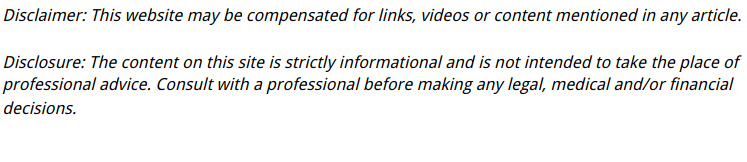
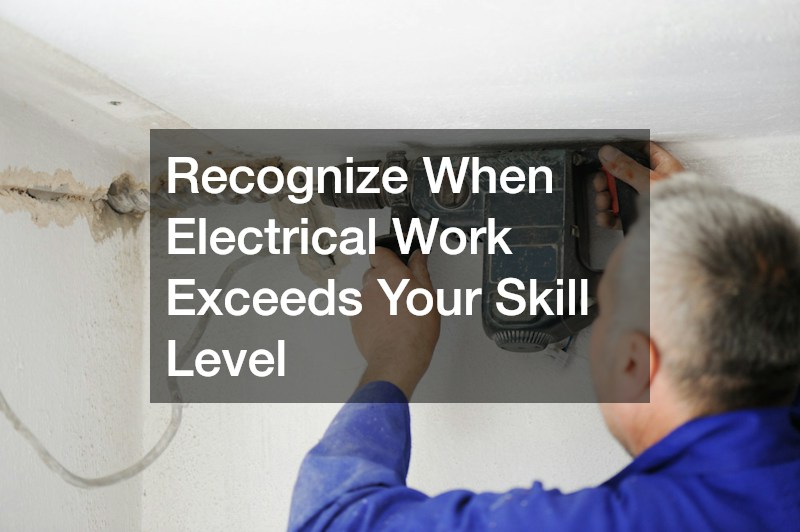 Electrical problems are one of the fastest ways for a DIY project to turn dangerous. Swapping a light switch or replacing an outlet cover is generally manageable, but anything involving your breaker panel, rewiring, or persistent flickering lights signals a deeper issue. Faulty wiring is a leading cause of house fires, so guessing your way through a repair is not worth the risk. If you notice warm outlets, burning smells, or breakers that trip repeatedly, it is time to stop and get help.
Finding one of the best electricians in your area is worth the effort because licensed professionals carry the training and insurance to handle complex diagnostics safely. They can also spot code violations left behind by previous owners or unpermitted work, which a homeowner would likely miss. A qualified electrician will test circuits properly, trace problems to their source, and leave you with documentation that can matter later if you sell the home.
- Flickering or dimming lights throughout the house
- A breaker panel that feels warm or smells like burning plastic
- Outlets that spark or make popping sounds
- Any project requiring you to open the main service panel
- Rooms that lose power without an obvious cause
Know the Limits of Heating and Cooling Repairs

Heating and cooling systems are complicated networks of electrical components, refrigerant lines, and mechanical parts working together. Replacing a thermostat or cleaning a filter is fair game for most homeowners, but diagnosing why a unit is not cooling or heating properly usually requires specialized tools and training. Refrigerant handling in particular is regulated, and mishandling it can harm both your health and the environment. When your system is blowing warm air, cycling on and off rapidly, or making grinding noises, those are signs the problem has moved beyond a simple fix.
A full HVAC installation is a major undertaking that involves ductwork, electrical connections, and precise calculations for your home’s square footage, and it should never be treated as a weekend project. Even smaller issues like AC repair often require gauges and refrigerant certification that the average homeowner does not have on hand. Attempting these repairs without the right equipment can void manufacturer warranties and lead to more expensive damage down the line.
- Warm air blowing from vents despite the system running
- Unusual grinding, squealing, or rattling noises
- Ice forming on the outdoor unit or refrigerant lines
- A system that short cycles or will not hold a set temperature
- Any job requiring refrigerant to be added or removed
Decide Whether Roof Damage Needs a Professional Inspection
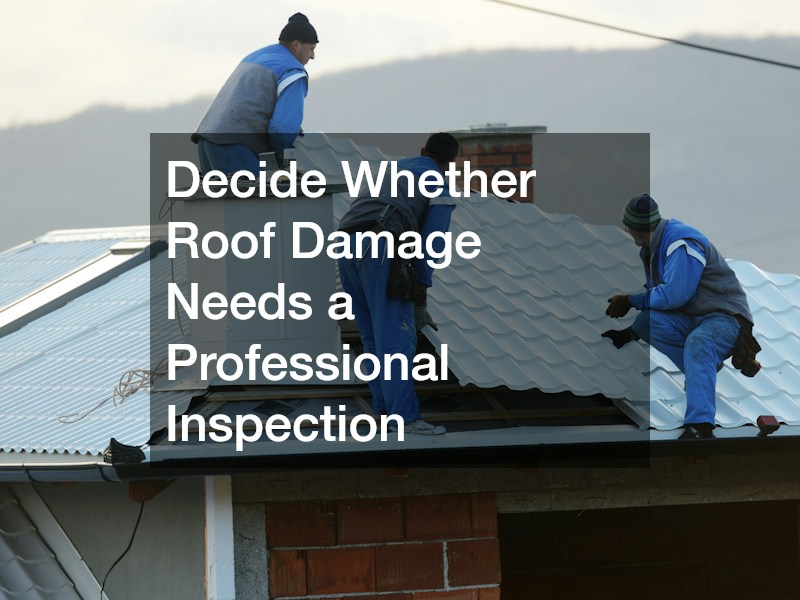
A few loose shingles after a storm might tempt you to grab a ladder and handle it yourself, but roofing work carries real fall risks and easy-to-miss structural issues. What looks like a small patch job on the surface can actually be a sign of rotting decking, poor ventilation, or long-term water intrusion. Walking on a roof without experience can also cause more damage than the original problem, especially on steep pitches or aging materials.
Reputable roofing companies will inspect not just the surface damage but also the flashing, underlayment, and attic space for hidden moisture problems. Getting quotes from a couple of established roofing contractors gives you a clearer picture of the scope of repair and helps you avoid being oversold on a full replacement when a targeted repair would do. Because a compromised roof affects the entire structure below it, this is one area where professional judgment is worth the investment.
- Missing, curling, or cracked shingles across a large area
- Soft spots or sagging noticed from the attic or ceiling
- Water stains spreading across ceilings after rainstorms
- Visible daylight through the roof deck in the attic
- Storm damage that affects a large section rather than a single spot
Understand When Plumbing Problems Go Beyond a Simple Fix
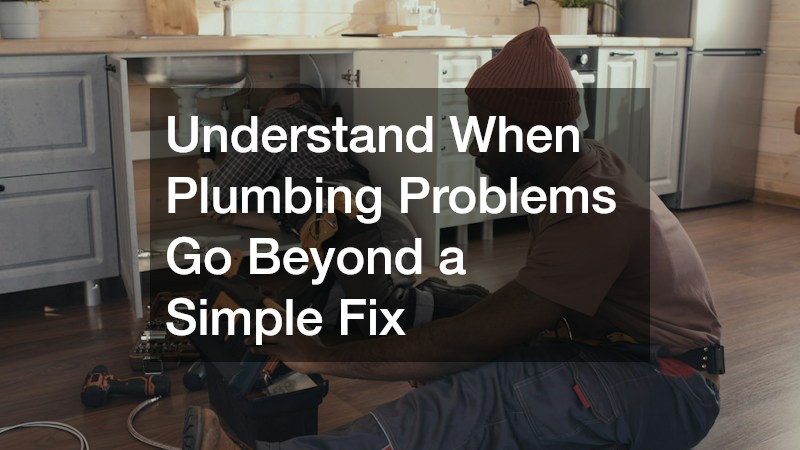
Plumbing issues often start small, like a slow-draining sink, and homeowners reasonably try a plunger or a bottle of drain cleaner before calling anyone. That approach works fine for minor clogs near the surface, but repeated backups in multiple fixtures usually point to a bigger problem in the main line. A clogged drain line deep in the system can cause sewage to back up into tubs, toilets, or basement floor drains, which is both a health hazard and a sign that snaking or chemical treatments will not solve the root cause.
When multiple drains are slow at the same time, or when you hear gurgling sounds coming from unrelated fixtures, the blockage is likely located in the main sewer line rather than an individual pipe. This typically requires a camera inspection and specialized equipment to clear tree roots, collapsed pipe sections, or years of buildup. Continuing to pour chemicals down a stubborn drain without addressing the underlying blockage can also damage older pipes over time.
- Multiple drains backing up around the same time
- Gurgling noises coming from toilets or nearby fixtures
- Sewage odors near floor drains or in the basement
- Water backing up into a tub when you run the washing machine
- Recurring clogs despite regular use of a plunger or cleaner
Assess Structural and Foundation Issues Before Digging In
Cracks in a foundation wall or a door that suddenly will not close properly can be unsettling, and it is natural to want an immediate explanation. Some hairline cracks are cosmetic and related to normal settling, but wider cracks, stair-step patterns in brick, or uneven floors point to structural movement that needs an engineer’s evaluation. This is not an area where guessing is a good strategy, since foundation problems tend to worsen and become more expensive the longer they go unaddressed.
Occasionally a renovation project requires cutting into concrete or block walls, whether to add a doorway, run new utility lines, or address a structural repair. Professional wall sawing services use controlled equipment to make precise cuts without compromising the surrounding structure, something a rented saw and a hopeful attitude cannot replicate. Attempting this kind of cutting without proper support planning can lead to unexpected collapses or costly structural damage.
- Cracks wider than a quarter inch in foundation walls
- Doors and windows that stick or will not latch properly
- Sloping or uneven floors noticed room to room
- Visible gaps between walls and ceilings
- Any project requiring cuts into load-bearing concrete or block
Evaluate Garage Door Repairs for Hidden Safety Risks
Garage doors seem mechanically simple from the outside, but they operate under enormous spring tension that can cause serious injury if handled incorrectly. Replacing a remote battery or lubricating the tracks is safe for most homeowners to do themselves. However, once a problem involves the torsion springs, cables, or the opener’s electrical wiring, the risk profile changes significantly and calls for a trained technician.
A garage door that closes unevenly, reverses unexpectedly, or makes loud banging noises during operation is showing signs of a mechanical issue that goes beyond routine maintenance. Because garage doors are also one of the heaviest moving objects in a home, a failed repair attempt can result in the door falling and causing injury or property damage. Recognizing these warning signs early and calling a professional can prevent a minor spring issue from turning into a full system failure.
- Visible gaps or fraying in the lift cables
- A door that feels unusually heavy when opened manually
- Loud bangs or pops during opening and closing
- Uneven movement where one side lags behind the other
- Springs that appear stretched, rusted, or separated
Judge Whether Fence and Outdoor Structure Projects Are DIY Friendly
Installing a short section of fence or replacing a single post is a reasonable weekend project for someone comfortable with basic tools. Larger installations, however, involve property line surveys, local permitting, and grading considerations that are easy to overlook without experience. Getting these details wrong can lead to disputes with neighbors or costly do-overs after the fact.
Many homeowners find that hiring experienced vinyl fence installers actually saves money in the long run because professionals know how to account for slope, frost lines, and proper post depth from the start. A poorly installed fence tends to lean or shift within a year or two, which ends up costing more to fix than if it had been done correctly the first time. If your project spans a long property line or includes gates and multiple angles, professional installation is generally the safer bet.
- Uncertainty about exact property lines or easements
- Sloped or uneven terrain along the fence line
- Local permit requirements you are unsure how to meet
- Plans that include automated gates or electrical components
- A fence line longer than a single weekend project can reasonably cover
Weigh the Cost and Risk of Tackling It Yourself
Beyond the technical skill required, every DIY decision comes down to a cost and risk calculation. A failed attempt often means paying for both the wasted materials and the professional repair afterward, so the savings can disappear quickly. A botched tile job, for instance, might cost $200 in materials, only for a contractor to charge another $800 to rip it out and redo it correctly. Risk isn’t just financial, either. Some mistakes create safety hazards or hidden damage that don’t show up until later, like a poorly sealed roof patch that leads to mold, or amateur electrical work that becomes a fire risk. Weigh the worst-case scenario, not just the best-case savings, when deciding whether to proceed. It helps to honestly assess your tools, your available time, and your comfort level with the specific task before committing to it. Renting or buying specialized equipment can quickly eat into your projected savings, and a job that “should” take a weekend often stretches into weeks for a first-timer. If any part of the task makes you hesitant or unsure, that instinct is worth listening to before you start tearing into walls, pipes, or wiring.
Before grabbing your toolbox, run the numbers on what the job actually costs when you factor in your own time, not just materials. A weekend spent researching, troubleshooting, and redoing a botched attempt has real value, especially if you have to take time off work or delay other priorities to finish it. Add up the cost of tools you’d need to buy for a one-time job, since renting or hiring may be cheaper once that’s factored in. Also weigh the penalty for imperfection. Some repairs are forgiving: painting a fence, replacing cabinet hardware, or caulking a bathtub can be redone easily if the results aren’t perfect, and mistakes rarely cost more than a little time and a few extra dollars in materials. Others carry a much steeper price for error. Faulty electrical work can spark a house fire, a botched plumbing repair can flood a floor and ruin drywall, and improper roofing or foundation work can lead to thousands of dollars in structural damage down the line. When a mistake could mean a bigger repair bill, a safety hazard, or a voided insurance claim, that risk should weigh heavily in your decision. This is exactly why matching the repair to your actual skill level matters so much. A realistic gap between what a job demands and what you can competently deliver is where DIY savings quietly turn into costly do-overs.
- Compare the full cost of tools, materials, and rental equipment against at least two professional quotes, since a one-time tool purchase can quickly erase any DIY savings
- Factor in the value of your own time realistically, especially if the job will eat up multiple weekends or require you to take time off work
- Consider whether a mistake would be low cost or high cost to fix — a botched paint job is forgiving, but a bad plumbing or electrical fix can mean tearing out walls
- Check if the repair affects your homeowner’s insurance or warranty, since unlicensed work on major systems can void coverage entirely
- Ask whether a permit is required, which often signals added complexity, inspections, and code requirements beyond typical DIY skill
- Factor in resale implications, since unpermitted or amateur work can complicate a future home sale or appraisal
- Weigh the cost of potential do-overs if you get it wrong the first time, including extra materials and lost time
Learning to recognize these warning signs puts you in a much stronger position to make smart decisions about your home. Some projects genuinely are within reach for a motivated homeowner, while others carry risks that outweigh any potential savings. Before you start your next repair, take an honest look at the scope of the problem and be willing to call a professional when the signs point that way. Your home, your safety, and your budget will benefit from knowing the difference.