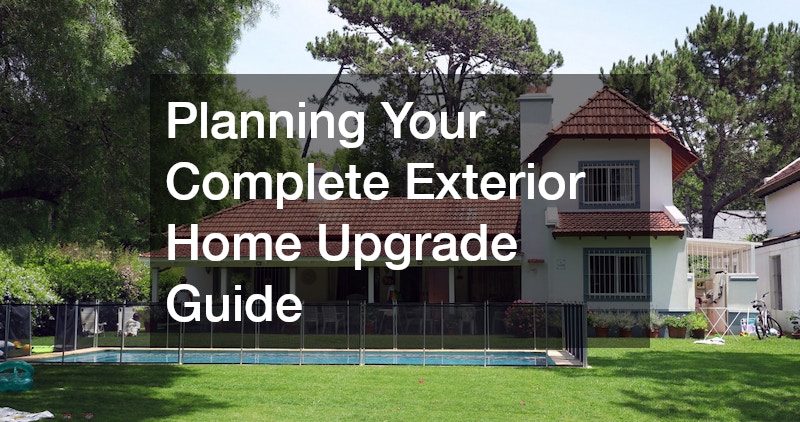
Upgrading a home’s exterior is one of the most impactful improvements a homeowner can make. It enhances curb appeal, improves functionality, and can significantly increase long-term property value. Unlike interior updates that can often be done in isolation, exterior upgrades are deeply interconnected—changes to one system often affect another.
A well-planned exterior renovation considers structure, drainage, outdoor living, aesthetics, and durability all at once. Without a coordinated approach, homeowners risk duplicated costs, design inconsistencies, and avoidable delays. This guide walks through how to thoughtfully plan a complete exterior upgrade, from roofing and walls to outdoor spaces and water management systems, so each improvement works together as part of a cohesive whole.
Setting a Clear Foundation for Your Exterior Vision
Before contacting any professionals or selecting materials, it is important to define what you want your exterior to accomplish. This step is often overlooked, but it determines the success, efficiency, and overall cohesion of the entire project. Without a clear direction, homeowners often end up making reactive decisions—choosing materials based on urgency instead of long-term goals, which can lead to mismatched designs and unnecessary expenses.
Start by evaluating your home’s current condition in a structured and honest way:
- Are there visible signs of wear, leaks, or fading materials?
- Do you need more outdoor living space for entertaining or family use?
- Is energy efficiency or weather protection a higher priority due to your local climate?
- Are you planning to sell in the near future or stay long-term and invest in personalization?
It can also be helpful to walk around your property at different times of day and during different weather conditions. This reveals issues like poor drainage, sun exposure challenges, or underused areas of your yard that could be improved through redesign.
Once priorities are clear, create a master vision board that includes:
- Exterior style preferences (modern, traditional, farmhouse, etc.)
- Functional needs such as storage, entertainment zones, and privacy solutions
- Budget range with a realistic buffer for unexpected costs
- Timeline expectations that account for weather delays and contractor availability
- Material preferences if you already have durability or maintenance goals in mind
This becomes the guiding document for all decisions moving forward, ensuring consistency across all upgrades. It also helps when communicating with contractors, since you can clearly express expectations and avoid misunderstandings. A well-defined vision at the start ultimately saves time, reduces stress, and leads to a more cohesive and intentional final result.
Coordinating Large-Scale Renovation Planning

When tackling multiple exterior projects at once, coordination is key. Without a structured plan, even well-executed individual upgrades can clash in timing, design, or functionality. This is where hiring a remodeling contractor becomes especially valuable. Instead of managing several independent crews—each with their own schedules, material needs, and workflows—a single coordinator ensures every phase aligns properly and progresses in a logical sequence.
A professional coordinator can help:
- Sequence projects in the correct order
- Prevent material and labor overlap
- Manage permits and inspections
- Keep budgets under control
- Identify conflicts between different systems before work begins
- Streamline communication between specialized trades
For example, roofing work should typically be completed before siding installation, and drainage improvements should be considered before final grading or landscaping. Without oversight, these dependencies are often missed, leading to costly rework.
To choose the right professional:
- Look for experience with full exterior renovations, not just small projects
- Ask for examples of multi-system coordination work across entire properties
- Confirm familiarity with local building codes and inspection processes
- Request a detailed project timeline with clear phases and milestones
- Evaluate how they handle unexpected delays or weather-related adjustments
It is also important to assess their communication style. A strong coordinator should provide regular updates, anticipate issues before they escalate, and be able to explain complex scheduling decisions in simple terms.
Another key factor is vendor management. A capable professional will already have established relationships with reliable tradespeople, which often leads to better pricing, faster scheduling, and more consistent workmanship across all phases of the project.
A strong coordinator ensures that roofing, siding, outdoor structures, and drainage systems all work together instead of interfering with each other, resulting in a smoother renovation process and a more cohesive final outcome.
Strengthening the Roof as the Structural Priority
The roof is the most critical protective layer of your home, and it should be evaluated early in any exterior upgrade plan. Because it serves as the primary barrier against rain, wind, snow, and temperature extremes, any weaknesses in the roof can quickly compromise other improvements made to the home’s exterior. For this reason, addressing roofing conditions first ensures that all subsequent upgrades are built on a stable foundation. A roofing contractor plays a key role in assessing whether repairs, partial replacement, or full replacement is necessary, helping homeowners avoid unnecessary costs while preventing long-term damage.
During inspection, professionals typically evaluate:
- Shingle or material degradation, including curling, cracking, or missing sections
- Flashing and seal integrity around chimneys, vents, and roof edges
- Structural sagging or uneven surfaces that may indicate framing issues
- Moisture intrusion points, including attic leaks or hidden water damage
In addition to visible issues, experienced inspectors often check attic ventilation and insulation balance, since poor airflow can shorten roof lifespan and increase energy costs. Small problems that go unnoticed can escalate quickly, especially after heavy storms or seasonal temperature shifts.
In many cases, homeowners also benefit from ongoing roofing service to maintain the system after repairs or upgrades are completed. Regular maintenance helps extend material lifespan and reduces the likelihood of emergency repairs, which are often more expensive and disruptive.
Actionable planning tips:
- Schedule roof inspection before siding or gutter work
- Align roofing upgrades with seasonal weather windows to avoid delays
- Choose durable materials suited for local climate conditions, such as high wind or heavy snow resistance
- Plan for ventilation improvements if needed to support long-term roof health
- Coordinate roofing timelines with other exterior projects to prevent rework or damage
It is also wise to document the condition of the roof before any work begins. Photos and inspection reports can help track progress and support warranty claims if issues arise later. A well-maintained roof protects every other exterior investment beneath it and serves as the backbone of a successful renovation strategy.
Building Strong Overhead Protection Systems
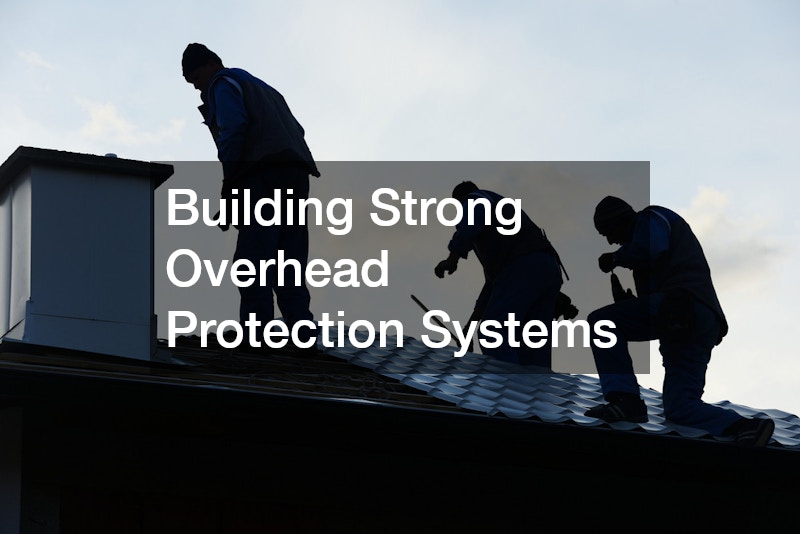
Beyond installation or replacement, long-term roof care requires ongoing attention that many homeowners underestimate until problems arise. Even a high-quality roof system can deteriorate prematurely without consistent upkeep, especially in regions with seasonal storms, heavy snowfall, or extreme temperature fluctuations. A roofing service program provides structured maintenance that helps extend the life of your system, preserve manufacturer warranties, and prevent expensive future repairs that often occur when small issues go unnoticed.
Preventative care often includes:
- Seasonal inspections for storm damage, especially after high winds or hail
- Clearing debris buildup such as leaves, branches, and moss that can trap moisture
- Checking seals around vents and chimneys to prevent slow leaks and heat loss
- Monitoring early signs of leaks in attic spaces or ceiling discoloration inside the home
- Evaluating gutter alignment and drainage performance to ensure water is properly diverted
In addition to these routine checks, homeowners should also be proactive about documenting roof conditions over time. Taking photos after major weather events can help track subtle changes that might otherwise go unnoticed. Small issues like lifted shingles or minor flashing gaps can escalate quickly if not addressed early.
Homeowners should also plan roofing work strategically within the broader renovation timeline. For example, roof work should always be completed before siding installation or exterior trim upgrades to avoid rework, material damage, or unnecessary labor overlap. Failing to coordinate this sequence can result in compromised waterproofing and additional costs.
Proper sequencing ensures:
- No overlapping labor damage between roofing and wall systems
- Cleaner installation transitions between materials and structural components
- Better waterproofing performance overall due to uninterrupted protective layering
- Reduced risk of hidden leaks forming between newly installed exterior elements
- More efficient scheduling for contractors and shorter overall project timelines
When roof maintenance is treated as an ongoing system rather than a one-time project, homeowners gain better long-term protection, improved energy efficiency, and greater peace of mind throughout the entire lifecycle of their exterior renovation.
Expanding Functional Outdoor Structures
Outdoor living spaces have become a major focus in modern home design. Working with a deck contractor helps transform unused yard space into functional, attractive extensions of the home.
Key planning considerations include:
- Load-bearing capacity and structural safety
- Material selection (wood, composite, hybrid systems)
- Integration with doors and indoor spaces
- Lighting and accessibility design
Practical design tips:
- Plan for multiple use zones (dining, lounging, cooking)
- Ensure proper elevation and drainage beneath the structure
- Match deck style with overall home architecture
- Include shade or coverage planning early
A well-designed deck becomes the foundation for broader outdoor entertainment planning.
Creating Complete Outdoor Cooking and Gathering Spaces

Outdoor kitchens have become a centerpiece of backyard living. They extend indoor functionality outside and create a natural gathering point for family and guests.
When planning outdoor kitchens, consider:
- Utility access for gas, water, and electricity
- Appliance durability for outdoor exposure
- Counter space and storage needs
- Seating and traffic flow around the area
Helpful planning steps:
- Position kitchen near indoor access points for convenience
- Choose weather-resistant materials for all surfaces
- Include ventilation planning for cooking equipment
- Consider seasonal usability and storage protection
A well-designed outdoor kitchen blends practicality with lifestyle enhancement, making it a long-term investment in usability and enjoyment.
Improving Exterior Wall Performance and Protection
Your home’s exterior walls play a major role in insulation, weather resistance, and overall appearance. Updating these systems through siding services ensures both performance and aesthetic improvement.
Important considerations include:
- Moisture resistance and climate suitability
- Insulation value improvements
- Color and texture choices for curb appeal
- Maintenance requirements over time
Before beginning work:
- Inspect for hidden moisture or structural damage
- Identify areas of heat loss or drafts
- Evaluate how siding interacts with windows and trim
- Consider long-term durability over short-term cost savings
Proper wall upgrades can significantly improve both comfort and energy efficiency.
Full Exterior Wall Modernization and Replacement Planning
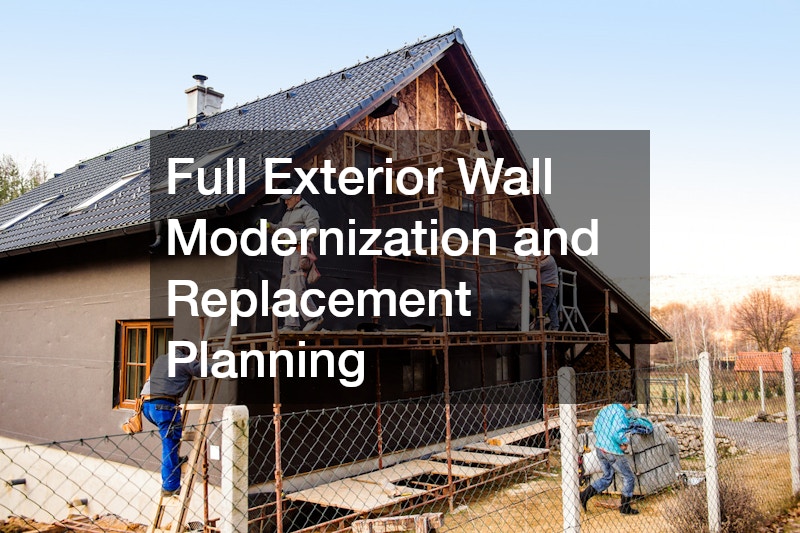
In cases where damage or wear is extensive, siding replacement becomes more effective than patch repairs. Full replacement allows for a fresh start in both performance and design.
Key advantages include:
- Complete moisture barrier renewal
- Opportunity to upgrade insulation layers
- Unified exterior appearance
- Reduced long-term maintenance costs
Planning tips:
- Remove outdated layers completely before installation
- Address any underlying structural issues first
- Choose materials that balance durability and aesthetics
- Coordinate with roofing and trim updates for consistency
A full replacement ensures the home is protected from the outside in.
Designing Privacy and Boundary Solutions for Outdoor Spaces
Outdoor boundaries are more than functional—they shape the overall feel of your property. Vinyl fencing is a popular choice because it offers durability and low maintenance while still providing visual appeal.
When planning fencing systems, consider:
- Privacy requirements for your property
- Wind exposure and weather conditions
- Design consistency with home exterior
- Long-term maintenance expectations
Practical installation tips:
- Mark utility lines before installation begins
- Choose reinforced posts for stability
- Align fencing design with landscaping plans
- Consider gate placement for convenience
Well-designed boundaries enhance both security and outdoor usability.
Managing Water Flow and Foundation Protection Systems
Water management is one of the most overlooked but essential parts of exterior home planning. Proper gutter replacement ensures that rainwater is directed away from the home’s foundation and exterior surfaces.
Key planning considerations:
- Correct slope and drainage direction
- Material durability for local weather conditions
- Seamless integration with roof systems
- Downspout placement for optimal runoff control
Best practices include:
- Inspecting gutters before roofing or siding upgrades
- Cleaning and testing drainage paths regularly
- Upgrading to larger capacity systems if needed
- Ensuring soil grading supports water movement away from the home
Good drainage planning protects every other exterior investment.
Adding Weather Protection and Outdoor Comfort Features
Shade and weather protection structures play a major role in outdoor comfort and usability. Patio covers help extend the usability of outdoor spaces throughout different seasons.
When planning coverage systems, consider:
- Sun exposure patterns throughout the day
- Material strength and weather resistance
- Attachment method to existing structures
- Ventilation and airflow design
Helpful design strategies:
- Match cover design to deck or patio layout
- Use durable materials that withstand seasonal changes
- Incorporate lighting for evening usability
- Ensure proper drainage to avoid water buildup
These additions help create comfortable, usable outdoor environments year-round.
A complete exterior home upgrade requires careful coordination, thoughtful sequencing, and attention to how each system interacts with the others. When properly planned, improvements such as structural roofing, exterior walls, outdoor living spaces, and drainage systems work together to create a stronger, more functional, and more visually appealing home.
By approaching the process as a unified project rather than separate tasks, homeowners can reduce costs, avoid mistakes, and achieve long-lasting results that improve both daily living and long-term property value.