
Creating a Home That Looks Good and Works Better
A well-designed home should do more than just look appealing—it should support daily life in a practical and comfortable way. Many homeowners focus heavily on aesthetics, choosing trendy finishes and décor, only to realize later that their space doesn’t function as well as they hoped. Others prioritize utility but end up with a home that feels plain or uninspired. The key to a successful upgrade lies in combining both elements from the very beginning.
Striking the right balance between style and function requires thoughtful planning. It means considering how each space will be used, how often, and by whom. It also involves selecting materials, layouts, and design features that not only look great but also stand up to everyday wear and tear. This approach helps avoid costly changes later and ensures that the home remains comfortable and efficient over time.
Home improvement projects can range from small updates to major transformations. Regardless of the scale, the same principle applies: every decision should serve a purpose while contributing to the overall look of the home. When done right, these improvements can enhance both quality of life and property value.
The following sections break down practical ways to combine design and usability, offering clear strategies that homeowners can apply to any project. From planning and materials to layout and long-term value, each step plays an important role in creating a space that truly works.
Start With a Clear Plan and Defined Priorities
Before beginning any home renovation, it’s important to establish clear goals. Homeowners should take time to think about how they use their space daily and what changes would make the biggest difference. This might include improving storage, increasing natural light, or creating more open areas for gathering. Without a clear vision, projects can quickly become overwhelming or lose direction.
Working with a local general contractor early in the process can help turn ideas into a realistic plan. These professionals understand structural limitations, building codes, and timelines, which helps prevent unexpected issues later. They can also provide insight into what upgrades will offer the most practical benefits, ensuring the project stays both functional and visually appealing.
Budgeting is another key part of the planning phase. It’s easy to get carried away with design ideas, but setting financial boundaries helps prioritize what matters most. Homeowners should focus on improvements that will have the greatest impact on daily living, rather than purely cosmetic changes.
Creating a detailed plan also makes it easier to coordinate different aspects of the project. From selecting materials to scheduling work, having a roadmap keeps everything organized. This level of preparation helps ensure that the final result reflects both style and purpose, rather than feeling like a collection of disconnected updates.
Choose Materials That Balance Durability and Style
Material selection plays a major role in how well a home functions over time. While it’s tempting to choose finishes based solely on appearance, durability should always be part of the decision. Surfaces that wear down quickly or require constant maintenance can take away from the overall enjoyment of a space.
When it comes to flooring, homeowners have a wide range of options to consider. Hardwood, tile, and laminate each offer different benefits depending on the room and level of traffic. Choosing the right material means thinking about how the space will be used. For example, high-traffic areas like entryways and kitchens require more durable surfaces that can handle daily wear.
In certain areas, epoxy flooring provides a practical and stylish solution. It’s known for its strength, resistance to moisture, and clean, modern appearance. This makes it especially useful in garages, basements, and utility spaces where durability is essential. At the same time, it offers a sleek finish that enhances the overall look of the home.
Balancing style and function in materials also means considering maintenance. Easy-to-clean surfaces save time and effort in the long run, while still maintaining their visual appeal. By choosing materials that are both attractive and long-lasting, homeowners can create spaces that remain enjoyable for years to come.
Work With Skilled Professionals for Better Results

Hiring the right professionals can make a significant difference in the outcome of a home improvement project. Experienced experts not only bring technical skills but also help ensure that design choices align with practical needs. This collaboration helps avoid mistakes that can affect both appearance and performance.
A painting company plays an important role in achieving a polished look. Beyond adding color, proper painting techniques protect surfaces and improve durability. Professionals know how to prepare walls, select the right finishes, and apply coatings that last. This attention to detail enhances both the visual appeal and longevity of the space.
For larger projects, working with a home builder can help ensure that structural changes are handled correctly. Whether it’s reconfiguring layouts or expanding spaces, these professionals bring valuable knowledge that supports both safety and design goals. They can also coordinate different aspects of the project, keeping everything on track.
Choosing experienced professionals also provides peace of mind. Homeowners can feel confident that the work is being done properly, reducing the risk of future repairs. This investment in quality workmanship ultimately supports both the style and functionality of the home.
Design Flexible Spaces That Serve Multiple Purposes
Modern homes often need to accommodate a variety of activities, from working and relaxing to entertaining and dining. Creating flexible spaces allows homeowners to make the most of their available square footage without sacrificing comfort or style.
In some cases, a home addition may be the best solution for expanding usable space. This approach provides room for new functions while maintaining a cohesive design throughout the home. Whether adding a bedroom, office, or living area, thoughtful planning ensures that the new space blends seamlessly with the existing structure.
Inside the home, furniture plays a key role in flexibility. Pieces that serve multiple purposes, such as storage ottomans or extendable tables, help maximize functionality without cluttering the space. Choosing the right items allows rooms to adapt to different needs throughout the day.
Layout is equally important. Arranging furniture in a way that promotes easy movement and clear pathways improves both comfort and usability. By focusing on adaptability, homeowners can create spaces that feel open, organized, and ready for any activity.
Create Comfortable Spaces for Entertainment and Relaxation

Entertainment areas are an important part of many homes, offering a place to unwind and spend time with family and friends. Designing these spaces with both comfort and functionality in mind ensures they are enjoyable to use on a regular basis.
A home theater is a great example of how style and function can work together. Proper lighting, sound control, and screen placement all contribute to a better viewing experience. At the same time, the design should complement the rest of the home, creating a space that feels inviting rather than isolated.
Seating is a key factor in comfort. Choosing the right chairs can make a big difference in how the space is used. Supportive, well-designed seating encourages relaxation while maintaining a clean and cohesive look. The arrangement of seating also affects how people interact within the space.
Balancing technology with design is another important consideration. Wires, speakers, and equipment should be integrated in a way that doesn’t disrupt the overall appearance. With careful planning, entertainment areas can offer both high performance and visual appeal.
Incorporate Smart Storage Without Sacrificing Style
Storage is essential for maintaining an organized home, but it doesn’t have to come at the expense of design. Smart storage solutions can blend seamlessly into a space, keeping clutter out of sight while enhancing the overall look.
Built-in storage options are a popular choice because they make efficient use of available space. Shelving, cabinets, and hidden compartments can be customized to fit specific needs, creating a clean and streamlined appearance. These solutions work well in living rooms, bedrooms, and even hallways.
Furniture can also contribute to better storage. Pieces that include drawers or compartments provide extra functionality without adding bulk. This approach helps maintain a tidy environment while keeping essential items within reach.
The key to effective storage is planning. By thinking ahead about what needs to be stored and where, homeowners can design solutions that are both practical and visually appealing. This balance ensures that the home remains organized without feeling overcrowded.
Use Color and Finishes to Enhance Both Form and Function
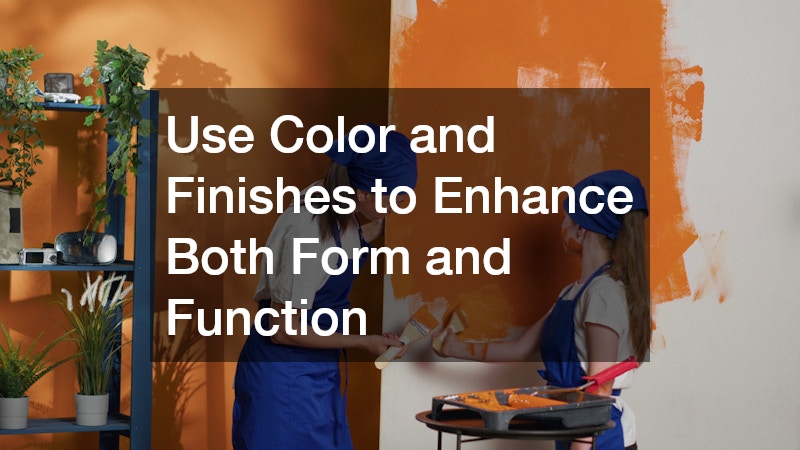
Color and finishes have a powerful impact on how a space feels and functions. The right choices can make a room appear larger, brighter, and more inviting, while also supporting practical needs.
Neutral tones are often used to create a timeless look that works well with different styles. They also provide a flexible backdrop for changing décor over time. However, adding accent colors can bring personality and depth to a space without overwhelming it.
Finishes should be chosen with maintenance in mind. Matte, satin, and gloss finishes each offer different benefits depending on the area. For example, higher-gloss finishes are easier to clean, making them ideal for kitchens and bathrooms.
Working with a painting company can help ensure that colors and finishes are applied correctly. Professional guidance makes it easier to achieve a consistent look while selecting options that hold up well over time. This attention to detail enhances both appearance and durability.
Plan Layouts That Improve Daily Living
A well-planned layout is one of the most important aspects of a functional home. Even the most beautiful design can fall short if the space doesn’t flow properly or support daily routines.
Open layouts are popular because they create a sense of connection between different areas of the home. However, it’s important to maintain defined zones for specific activities. This balance allows for both openness and organization.
Working with a local general contractor can help optimize layouts during renovations. These professionals understand how to make the most of available space while ensuring structural integrity. Their expertise can lead to more efficient and comfortable living environments.
Small adjustments, such as widening doorways or repositioning walls, can have a big impact on usability. By focusing on movement and accessibility, homeowners can create spaces that feel natural and easy to navigate.
Focus on Improvements That Add Long-Term Value
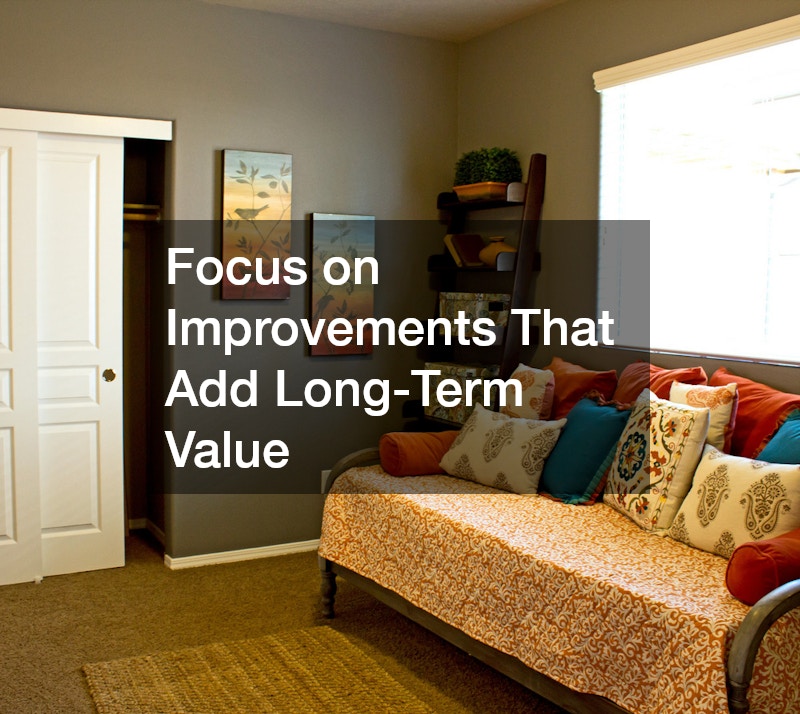
Home improvements should not only meet current needs but also provide lasting benefits. Investing in upgrades that add value ensures that the home remains functional and appealing over time. Rather than focusing on quick fixes or purely cosmetic changes, homeowners benefit more from improvements that strengthen the structure, improve efficiency, and enhance everyday living.
Working with a home builder can help identify which projects offer the best return on investment. These professionals understand market trends and can recommend improvements that enhance both usability and resale potential. They often suggest upgrades that buyers consistently look for, such as updated kitchens, improved layouts, or energy-efficient features. Their experience helps homeowners avoid spending money on upgrades that may not deliver long-term value.
In some cases, a home addition can significantly increase value by expanding living space. Adding square footage often makes a property more attractive to future buyers while also improving daily comfort for current residents. Whether it’s an extra bedroom, a larger living area, or a dedicated workspace, additional space can make a home more versatile and functional. It also allows homeowners to adapt their property as their needs change over time.
Balancing personal preferences with long-term considerations is key. By choosing upgrades that combine style and practicality, homeowners can create a space that continues to meet their needs while maintaining its overall worth. Thoughtful decisions today can lead to a home that remains both enjoyable and valuable for years to come.
Bring It All Together for a Better Living Experience
Creating a home that balances style and function requires thoughtful decisions at every stage of the process. From planning and materials to layout and long-term value, each element plays a role in shaping the final result. When these factors work together, the outcome is a space that not only looks great but also supports everyday living.
By focusing on both appearance and practicality, homeowners can avoid common pitfalls and create a more enjoyable environment. This approach leads to spaces that feel comfortable, organized, and tailored to real-life needs.
Ultimately, the goal is to design a home that reflects personal taste while remaining efficient and easy to maintain. With careful planning and the right choices, it’s possible to achieve a balance that enhances both lifestyle and overall satisfaction.