
Your home’s exterior is more than just its appearance—it’s your first line of defense against the elements and a major contributor to long-term property value. A well-maintained exterior protects your investment, enhances energy efficiency, and creates a welcoming impression for visitors and potential buyers alike.
Too often, homeowners focus on interior upgrades while overlooking the outside of their property. However, small exterior issues can quickly turn into major, expensive problems if left unaddressed. By taking a proactive approach and understanding where to invest your time and budget, you can avoid costly repairs and keep your home in top condition year-round.
This guide walks you through everything you need to know, from evaluating your current exterior to planning upgrades, choosing materials, and balancing DIY efforts with professional help.
Evaluate Your Home’s Exterior Condition Before Starting
Before diving into upgrades, it’s essential to understand your home’s current condition. A thorough inspection helps you prioritize projects and avoid wasting money on cosmetic fixes when structural issues may be present.
Start with a visual walkthrough of your property. Look closely at walls, roofing, drainage systems, and outdoor structures. Pay attention to subtle warning signs that often go unnoticed.
What to Look For
- Cracks, warping, or fading on exterior surfaces
- Loose or missing components
- Signs of moisture, such as stains or mildew
- Areas where materials appear worn or deteriorated
- Uneven surfaces or sagging structures
DIY Inspection Tips
- Walk around your home during daylight and again after rain
- Use binoculars to inspect hard-to-reach areas
- Check inside your attic for signs of leaks or daylight
- Take photos to track changes over time
While many issues can be identified visually, some require a professional assessment. If you’re planning larger upgrades, consulting an expert in home remodeling can help you uncover hidden problems and prioritize improvements effectively. Additionally, understanding the condition of your existing building materials ensures you make informed decisions about repairs versus replacements.
Choose the Right Materials for Long-Lasting Results

The materials you choose play a critical role in your home’s durability, maintenance needs, and overall appearance. Selecting the right options upfront can save you thousands in future repairs.
Different climates demand different solutions. For example, homes in areas with heavy rainfall need moisture-resistant materials, while regions with extreme heat benefit from UV-resistant options.
Key Factors to Consider
- Durability: How well the material withstands weather and wear
- Maintenance: The level of upkeep required over time
- Cost: Initial investment versus long-term savings
- Energy efficiency: Insulation and heat-reflective properties
- Aesthetics: How the material complements your home’s design
Practical Tips for Homeowners
- Compare warranties before making a decision
- Avoid choosing solely based on price
- Research how materials perform in your specific region
- Consider sustainability and eco-friendly options
For example, modern building materials offer improved resistance to moisture and pests, making them a smart long-term investment. If you’re considering vinyl siding installation, look for high-quality products with UV protection and insulation backing to enhance both durability and energy efficiency.
Upgrade Your Siding for Better Protection and Curb Appeal
Siding is one of the most visible and functional elements of your home’s exterior. It protects against weather, insulates your home, and significantly impacts curb appeal.
Signs It’s Time for an Upgrade
- Cracks, holes, or warping
- Fading or discoloration
- Increased energy bills
- Mold or mildew growth
Upgrading your siding can dramatically improve your home’s appearance while also boosting efficiency and protection.
DIY vs. Professional Installation
Some homeowners attempt minor repairs themselves, but full replacements are often best left to professionals. Improper installation can lead to gaps, moisture intrusion, and long-term damage.
Maintenance Tips
- Clean siding annually with a gentle wash
- Inspect after storms for damage
- Seal any gaps or cracks promptly
Incorporating vinyl siding installation into your home remodeling plans is one of the most effective ways to enhance both aesthetics and durability. Modern siding options are designed to last for decades with minimal maintenance.
Know When It’s Time to Replace Your Roof
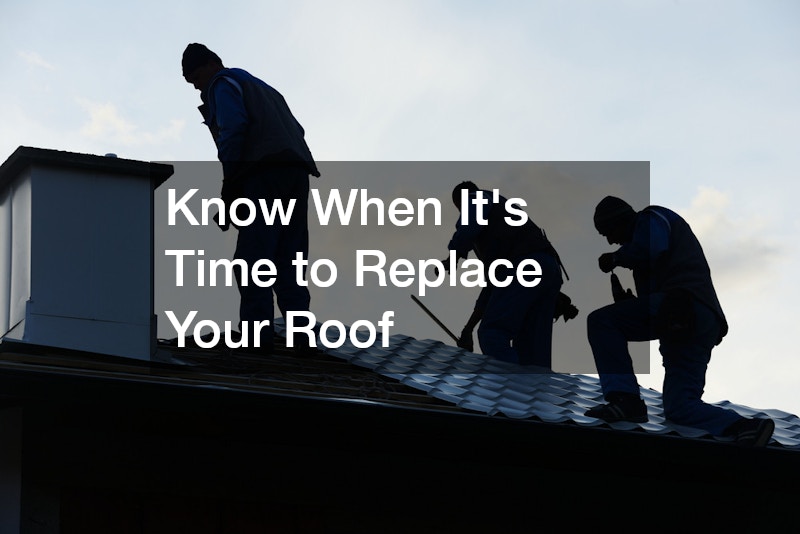
Your roof is one of the most critical components of your home, yet it’s often overlooked until problems arise. Knowing when to act can prevent costly damage.
Warning Signs to Watch For
- Missing, curling, or cracked shingles
- Leaks or water stains on ceilings
- Granules collecting in gutters
- Sagging areas
Lifespan of Common Materials
- Asphalt shingles: 20–30 years
- Metal roofing: 40–70 years
- Tile roofing: 50+ years
Delaying a roof replacement can lead to structural issues, mold growth, and interior damage. If you notice multiple warning signs, it’s time to explore professional roofing services to assess the situation and recommend next steps.
How to Choose the Right Roofing Professionals
Hiring the right contractor is just as important as choosing quality materials. A reliable team ensures the job is done correctly and safely.
What to Look For
- Proper licensing and insurance
- Strong local reputation
- Clear, detailed estimates
- Warranty offerings
Questions to Ask
- How long have you been in business?
- Can you provide references?
- What does your warranty cover?
- What is the project timeline?
A reputable roofing company will be transparent, communicative, and willing to answer all your questions. Avoid contractors who pressure you into quick decisions or provide vague estimates.
Working with experienced providers of roofing services ensures your project is completed efficiently and meets industry standards.
Plan a Smooth and Efficient Roof Installation
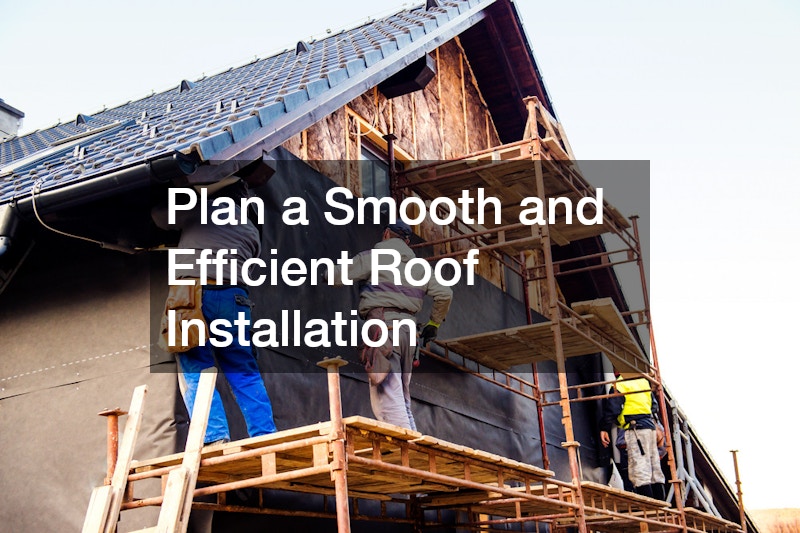
Once you’ve selected a contractor, proper planning helps ensure a smooth process.
What to Expect
- Removal of old materials
- Inspection of underlying structures
- Installation of new components
- Final cleanup and inspection
How to Prepare Your Home
- Move vehicles away from the work area
- Cover items in your attic
- Inform neighbors about the project
Post-Installation Checklist
- Inspect for leftover debris
- Verify warranty documentation
- Ensure proper ventilation
A well-executed roof installation not only protects your home but also increases its value. Pairing installation with a timely roof replacement can prevent future issues and improve overall efficiency.
Improve Drainage to Prevent Structural Damage
Proper drainage is essential for protecting your home from water-related issues. Without it, even minor rainfall can lead to serious problems over time. Water that isn’t properly directed away from your home can seep into the foundation, erode landscaping, and even cause interior damage.
Common Drainage Issues
- Clogged or sagging gutters
- Improper downspout placement
- Water pooling near the foundation
DIY Maintenance Tips
- Clean gutters at least twice a year
- Install gutter guards to reduce debris buildup
- Ensure downspouts direct water away from your home
Beyond these basics, it’s important to evaluate how water flows across your entire property. Walk around your home during or after a heavy rainstorm to identify trouble spots. Look for areas where water collects or flows back toward the structure instead of away from it.
Additional Prevention Strategies
- Extend downspouts at least 3–5 feet from the foundation
- Grade your yard so it slopes away from your home
- Install splash blocks or drainage extensions where needed
- Check for soil erosion that may redirect water toward your home
Small adjustments can make a significant difference in preventing long-term damage. Neglecting drainage systems can result in costly repairs. Investing in professional gutter services helps ensure your system functions properly and protects your home effectively.
In severe cases, poor drainage can lead to the need for water damage restoration, which is often far more expensive than preventative maintenance.
Build or Upgrade Outdoor Living Spaces for Functionality

Outdoor spaces add both value and enjoyment to your home. Whether it’s a deck, patio, or porch, these areas extend your living space and enhance usability.
Popular Upgrades
- Multi-level decks
- Outdoor kitchens
- Covered seating areas
Design Tips
- Choose materials that withstand weather conditions
- Incorporate shade and lighting
- Plan for proper drainage
Maintenance Advice
- Clean surfaces regularly
- Seal wood to prevent moisture damage
- Inspect for structural issues annually
Working with experienced deck contractors ensures your project is safe, durable, and visually appealing. Choosing high-quality building materials also plays a key role in the longevity of your outdoor space.
Prevent and Address Moisture Issues Early
Moisture is one of the most damaging forces affecting a home’s exterior. Left unchecked, it can lead to mold, rot, and structural damage.
High-Risk Areas
- Roof edges and valleys
- Around windows and doors
- Basement and foundation walls
Prevention Strategies
- Seal gaps and cracks
- Maintain proper ventilation
- Ensure drainage systems are functioning correctly
What to Do If Damage Occurs
- Identify and fix the source of moisture
- Remove damaged materials
- Dry affected areas thoroughly
If damage becomes severe, professional water damage restoration may be necessary to fully resolve the issue. Regular inspections and timely maintenance of gutter services can significantly reduce the risk of moisture-related problems.
Combine DIY Projects With Professional Expertise
Balancing DIY efforts with professional help is key to successful exterior improvements. Taking on manageable projects yourself can save money and give you a sense of accomplishment, but knowing your limits ensures safety and quality for more complex work. Striking the right balance between DIY and professional expertise allows you to maximize results without compromising the durability or safety of your home.
DIY-Friendly Projects
- Cleaning and minor repairs: Power washing siding, removing debris from gutters, and patching small cracks can be handled by most homeowners with basic tools.
- Painting and sealing surfaces: Repainting trim, doors, or outdoor furniture not only improves appearance but also protects surfaces from weather damage.
- Basic landscaping: Planting flowers, trimming shrubs, and adding mulch enhance curb appeal while keeping your yard healthy.
When to Hire Professionals
- Structural repairs: Anything that affects the stability of your home, such as foundation work, roof repairs, or load-bearing structures, should be left to experienced contractors.
- Major installations: Projects like roof installation, deck construction, or siding replacement require specialized skills and tools.
- Complex systems: Electrical work, plumbing, and advanced water drainage systems are best handled by licensed professionals.
Tips for Saving Money
- Handle prep work yourself: Clearing debris, moving furniture, or removing old materials before professionals arrive reduces labor costs.
- Schedule projects during off-peak seasons: Contractors often charge less during slower periods, helping you save on installation or remodeling costs.
- Get multiple quotes: Comparing bids ensures competitive pricing and helps you choose the best combination of skill and value.
Collaborating with skilled deck contractors or a trusted roofing company ensures high-quality results while allowing you to focus on manageable tasks. This hybrid approach not only safeguards your investment but also helps you learn practical skills that can be applied to future DIY projects. By combining your efforts with professional expertise, you can achieve a polished, durable, and aesthetically pleasing exterior that stands the test of time.
Create a Long-Term Exterior Maintenance Plan
A comprehensive maintenance plan is essential for keeping your home’s exterior in peak condition and avoiding costly repairs. Regular inspections and seasonal tasks allow you to catch minor issues before they escalate into major problems that could require roof replacement, water damage restoration, or other expensive fixes. By creating a structured approach to upkeep, you can protect your investment, extend the lifespan of building materials, and maintain curb appeal.
Seasonal Checklist
Spring
- Inspect for winter damage such as cracked siding, loose shingles, or warped decks
- Clean all surfaces including decks, patios, and siding to remove dirt and debris
- Flush gutters and downspouts to ensure proper water flow, reducing the risk of water damage
Summer
- Repair or repaint surfaces that have faded or chipped over time
- Check roofing, siding, and decks for signs of wear
- Tighten or replace fasteners on exterior fixtures to prevent loose parts during storms
Fall
- Prepare your home for colder weather by sealing cracks, adding insulation, and checking weatherstripping
- Remove leaves and debris from gutters, downspouts, and drainage systems to prevent clogs
- Inspect roofs and siding for early signs of potential leaks or damage
Winter
- Monitor for ice buildup on gutters, roofs, and decks
- Address snow or ice accumulation promptly to prevent structural damage
- Examine attic and basement areas for moisture intrusion caused by melting snow
Planning Ahead
- Set aside a maintenance budget each year to cover routine inspections, minor repairs, and unexpected issues
- Schedule annual inspections for key systems like roofing, gutters, and outdoor structures
- Keep detailed records of all repairs, upgrades, and materials used for future reference
Incorporating routine upkeep into your home remodeling strategy ensures your exterior remains in excellent condition year-round. Regular inspections, especially after a roof installation or new siding project, help you catch issues early and extend the lifespan of all exterior improvements. With a proactive maintenance plan, you can prevent costly repairs, maintain your home’s structural integrity, and keep your property looking its best for years to come.
Improving your home’s exterior is an ongoing process that requires careful planning, informed decisions, and consistent maintenance. By taking a proactive approach and addressing issues early, you can protect your investment, enhance curb appeal, and avoid costly repairs down the line.
Whether you’re tackling small upgrades or planning major improvements, the key is to stay organized and prioritize quality over quick fixes. With the right strategy in place, your home’s exterior can remain strong, efficient, and visually appealing for years to come.