
Maintaining a home can feel like an endless cycle of repairs, upgrades, and preventive care. While some issues are obvious, a broken window, a leaking pipe, others develop quietly over time. These subtle problems often start small but can escalate into major expenses if left unattended. Recognizing early warning signs in your home’s core systems can save money, prevent damage, and reduce stress.
From structural elements to plumbing and electrical systems, each component has its own indicators of failure. Understanding these signals and knowing when to call a professional ensures your home stays safe, efficient, and comfortable for years to come.
Exterior Warning Signs That Signal Structural Vulnerability
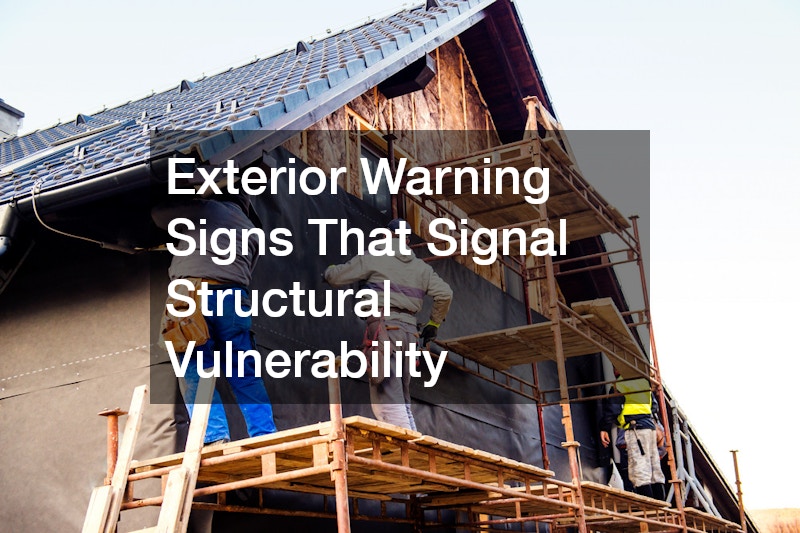
The exterior of your home acts as a protective shield against the elements, but it also bears the brunt of weather, temperature changes, and environmental stressors year-round. Roofs, siding, gutters, and other structural components are constantly exposed to wind, rain, snow, sun, and even debris. While some damage is immediately obvious, many problems develop gradually and can go unnoticed until they create significant structural issues. Understanding the early signs of vulnerability allows homeowners to take action before minor concerns turn into expensive repairs.
Here are some of the key indicators that your home may need professional attention:
Roof leaks or water stains: One of the most common but overlooked signs of exterior issues is water infiltration. If you notice dark streaks on your ceiling, discoloration on walls, damp patches in your attic, or water pooling around windows and door frames, it could indicate compromised roofing. Often, minor leaks start small, perhaps a single shingle is loose or a flashing has failed, but over time, moisture can seep into insulation, wood framing, and drywall. Beyond structural damage, persistent leaks increase the risk of mold growth, which can affect indoor air quality and create health hazards. Scheduling roof repair as soon as you notice early signs is critical to prevent escalation.
Missing or damaged shingles: Shingles protect your home from moisture, temperature swings, and physical damage from debris or hail. Curling, cracked, or missing shingles reduce this protection, leaving underlying layers exposed. Over time, this can result in more extensive damage to roof decking and underlayment. Even a single missing shingle can allow water to penetrate, particularly during heavy rain or snow. Homeowners should replace or repair shingles promptly and consider a professional inspection to ensure no hidden damage exists beneath the surface.
Sagging or uneven surfaces: Another indicator of exterior vulnerability is sagging or uneven areas on the roof, eaves, or siding. These can result from aging materials, prolonged water exposure, or weakened structural support such as compromised rafters or joists. Sagging not only affects the appearance of your home but can also indicate serious underlying issues that require professional evaluation. A roofing services provider can assess whether repairs are sufficient or if a larger replacement is necessary.
Frequent roof ponding or drainage issues: Water that accumulates on the roof instead of flowing into gutters is known as roof ponding. This can occur due to poor slope, clogged drainage, or uneven surfaces caused by structural settling. Persistent ponding increases the likelihood of leaks, accelerates material deterioration, and can lead to costly repairs. Homeowners should monitor roof drainage after storms and inspect gutters and downspouts to ensure water is being properly channeled away from the foundation. Installing a gutter guard can prevent clogs caused by leaves and debris, reducing maintenance and protecting both the roof and your home’s exterior walls.
Additional warning signs to watch for:
-
Cracked or peeling siding: Indicates water infiltration or sun damage, potentially affecting underlying insulation and wood.
-
Loose or missing flashing around chimneys, vents, and skylights: Can create hidden entry points for water.
-
Granule loss from shingles: Visible in gutters or on the ground, this suggests aging shingles that may no longer protect against UV rays and rain.
-
Ice dams in winter: Often a sign of poor attic insulation or ventilation, leading to water backup under shingles.
Tips for homeowners:
-
Conduct visual inspections at least twice a year, ideally after severe weather events such as storms or heavy snowfall.
-
Use binoculars to check the roof from the ground if climbing isn’t safe, focusing on shingles, flashing, and gutters.
-
Enter your attic regularly to look for moisture, mold, rot, or unusual odors, which often appear before visible damage elsewhere.
-
Keep gutters clean and free of debris, and consider installing a gutter guard to prevent clogs.
-
Schedule a professional roof assessment promptly if you notice any of the warning signs above. Experts can identify hidden damage, recommend repairs or roof replacement, and provide preventive solutions to extend the life of your home’s exterior.
By staying proactive and paying attention to these early indicators, homeowners can maintain structural integrity, prevent costly damage, and ensure their homes continue to provide protection against the elements for years to come.
Aging or Poorly Designed Roofing Systems That No Longer Perform
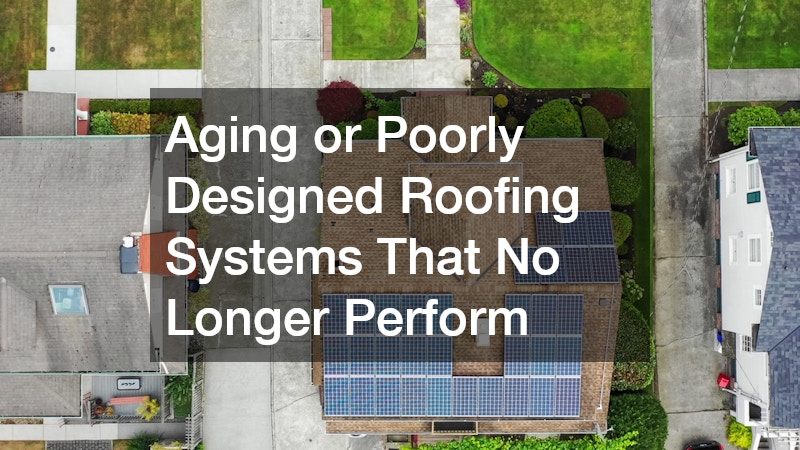
A roof may look perfectly intact from the ground, but appearances can be deceiving. Some problems develop gradually and are tied not to recent damage, but to the roof’s original design, installation quality, or the natural aging of materials. Homes with older roofing systems, or roofs that were improperly installed, can experience subtle issues that compromise protection long before any visible signs appear. These problems, if left unaddressed, can lead to leaks, structural damage, or even safety hazards.
Understanding the warning signs of aging or poorly performing roofs is critical for homeowners who want to avoid costly repairs down the road. Early detection allows for timely interventions such as targeted roof repair, replacement, or preventive upgrades.
Key Indicators of Potential System Failure
Material deterioration: Over time, roofing materials like shingles, tiles, or metal panels naturally degrade due to exposure to sun, wind, rain, and temperature fluctuations. Signs of material deterioration may include:
-
Curling, cracking, or splitting shingles
-
Loose granules accumulating in gutters or around the home’s perimeter
-
Faded color or patches that appear worn faster than the rest of the roof
When these symptoms appear, it may indicate that your original roof installation is no longer sufficient. A professional can assess whether repairs are adequate or if a full replacement is needed to restore proper protection.
Water overflow at gutters: Gutters are designed to channel rainwater away from your roof and foundation. When gutters fail to handle heavy rainfall, water can back up onto the roof or overflow, creating potential problems:
-
Damage to fascia boards, soffits, and siding
-
Increased risk of leaks entering the attic or walls
-
Soil erosion or foundation issues around the home’s perimeter
Installing a gutter guard can help prevent debris from clogging gutters, ensuring water flows efficiently off the roof. This simple preventive measure reduces maintenance while protecting the home from water-related damage.
Increased energy bills: A roof that is not performing well may allow heat to escape during the winter or enter during the summer, putting added strain on heating and cooling systems. Signs that your roofing system is contributing to higher energy costs include:
-
Rooms that feel unusually hot or cold compared to the rest of the house
-
Heating or cooling units running longer than usual without reaching set temperatures
-
Drafts or uneven temperatures near the attic or upper floors
A professional assessment can determine whether your roof needs improved insulation, repair, or partial replacement to improve energy efficiency.
Visible wear around roof edges: The edges of your roof, including eaves and overhangs, are particularly vulnerable to wear and tear. Common indicators include:
-
Cracks, splits, or warping along the edges
-
Shingle lifting or curling near eaves
-
Exposed nail heads or gaps in flashing
These signs suggest that water runoff is not being managed effectively, which can accelerate damage to your roof, siding, and foundation. Professional roofing services can address these issues through targeted repairs or preventive maintenance.
Additional signs to monitor:
-
Sagging areas along the roofline
-
Missing or loose flashing around vents, chimneys, or skylights
-
Ice dams in colder climates that indicate inadequate insulation or ventilation
-
Evidence of moss or algae growth, which can trap moisture and speed deterioration
Homeowner Tips for Maintaining Aging Roofing Systems:
-
Inspect gutters and downspouts regularly: Make sure they are free from debris, securely attached, and directing water away from the home.
-
Track your roof’s age: Most asphalt shingle roofs last 20–25 years, while other materials have varying lifespans. Compare your roof’s age to expected longevity to anticipate potential issues.
-
Schedule professional assessments: Even if your roof looks fine from the ground, a roofing professional can identify hidden problems that may not be immediately visible.
-
Consider preventive measures: Installing a gutter guard not only reduces maintenance but also protects the roof’s edge and fascia from water damage. Other preventive steps include periodic roof cleaning, replacing damaged shingles promptly, and ensuring proper attic ventilation.
-
Document observations: Take photos of wear or damage each year. This helps track progression and provides evidence if insurance claims become necessary.
Aging or poorly installed roofs often develop problems slowly, making it easy for homeowners to overlook subtle signs. By proactively monitoring materials, drainage systems, and energy performance, and scheduling inspections when concerns arise, you can extend the life of your roofing system and prevent minor issues from escalating into costly repairs.
Persistent Water Problems Inside the Home
Plumbing systems are essential to the daily function and comfort of any household. Unlike exterior issues, plumbing problems often manifest internally, where they can go unnoticed for weeks or months.
Common indicators that you may need professional plumbing attention include:
-
Slow drains or backups: Persistent clogs in sinks, tubs, or showers can indicate blockages deeper in the system. While minor clogs may be managed temporarily, recurring issues often signal the need for a comprehensive plumbing repair.
-
Low water pressure or uneven flow: Reduced water pressure in multiple fixtures can indicate leaks or corrosion in your pipes. A professional plumbing service can identify the root cause and prevent further damage.
-
Visible leaks or water stains: Even small leaks can promote mold growth and structural damage if not addressed promptly.
-
Unusual noises in pipes: Banging, gurgling, or whistling sounds often indicate trapped air, loose fittings, or other system issues that require expert attention.
Actionable tips for homeowners:
-
Monitor water bills for unexplained spikes that could indicate hidden leaks.
-
Inspect under sinks and behind appliances regularly for moisture or corrosion.
-
Schedule a routine plumbing service check, especially in older homes or systems with known weaknesses.
Electrical Red Flags That Should Never Be Ignored
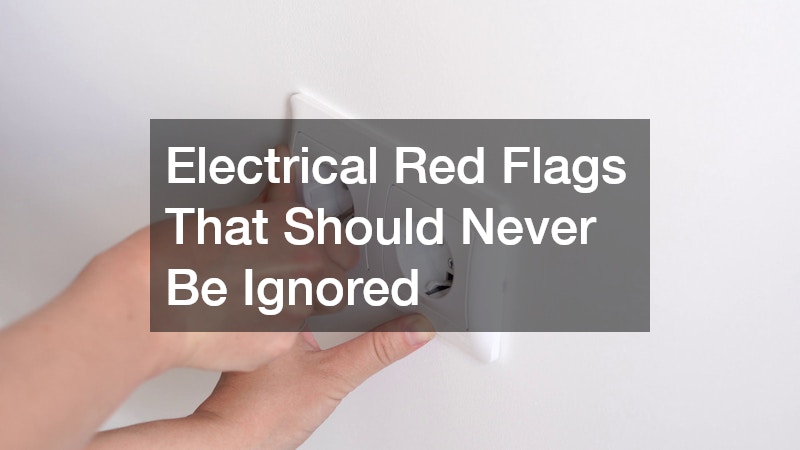
Electrical systems are often out of sight, but problems can manifest in ways that directly affect safety and functionality. Ignoring warning signs can lead to fire hazards, appliance damage, or costly system failures.
Signs your electrical system needs professional assessment:
-
Flickering or dimming lights: If multiple fixtures fluctuate simultaneously, it may indicate circuit overloads, faulty wiring, or loose connections. Electrical services can assess and correct these issues before they become dangerous.
-
Warm outlets or switches: Heat around outlets or switches can indicate a fire risk and should always be addressed promptly by a licensed professional.
-
Tripping breakers: Frequent circuit trips suggest overloaded circuits or compromised wiring that require detailed inspection.
-
Outdated or unsafe wiring: Older homes may have aluminum wiring, knob-and-tube systems, or other materials that no longer meet safety standards.
Lighting installation considerations:
-
Poorly planned lighting can strain circuits, especially if multiple high-wattage fixtures share a single line.
-
Professional installation ensures both safety and efficiency, enhancing visibility while reducing electrical load.
Homeowner tips:
-
Avoid DIY electrical fixes that could violate code or create hazards.
-
Schedule periodic electrical services to inspect wiring, breakers, and outlets.
-
Upgrade lighting strategically to reduce risk and improve energy efficiency.
Functional Spaces That Show Wear Faster Than the Rest of the Home

Bathrooms and kitchens are high-traffic areas that expose system weaknesses more quickly than other rooms. Moisture, heat, and frequent use accelerate wear, revealing issues that may affect plumbing and overall comfort.
Indicators of system strain in these areas include:
-
Leaky faucets or slow drains: These often signal underlying plumbing installation problems. Addressing these early prevents more serious damage to walls and floors.
-
Warped or damaged flooring: Persistent moisture from leaks or poor ventilation can cause tile or wood flooring to swell, crack, or separate.
-
Inefficient or failing fixtures: Older toilets, showers, and faucets may waste water and energy. Plumbing service or partial replacement can restore efficiency.
-
Frequent repairs that don’t last: If small fixes fail repeatedly, it’s a strong sign that underlying systems require professional plumbing repair.
Bathroom remodeling opportunities:
-
Combining upgrades with repairs can resolve multiple issues at once.
-
Modern fixtures, better ventilation, and improved layout reduce future maintenance needs.
-
Remodeling also allows you to address hidden plumbing and water-proofing problems effectively.
Actionable advice for homeowners:
-
Regularly inspect under sinks, behind toilets, and around showers for leaks or water damage.
-
Consider proactive remodeling if your bathroom is over 15–20 years old, especially when recurring plumbing repairs are needed.
-
Use water-efficient fixtures to reduce strain on older plumbing systems.
Homes are dynamic systems, and the signs of failure often appear long before major damage occurs. Paying attention to subtle cues, from water stains to flickering lights, sagging roofs, or persistent clogs, can save significant time, money, and stress. Early intervention and professional assessment protect your home’s value, safety, and comfort.
By understanding the warning signs of compromised systems and knowing when to call in experts, homeowners can prevent minor issues from becoming major headaches. Regular maintenance, timely repairs, and strategic upgrades are investments that keep a home functioning smoothly for years to come.