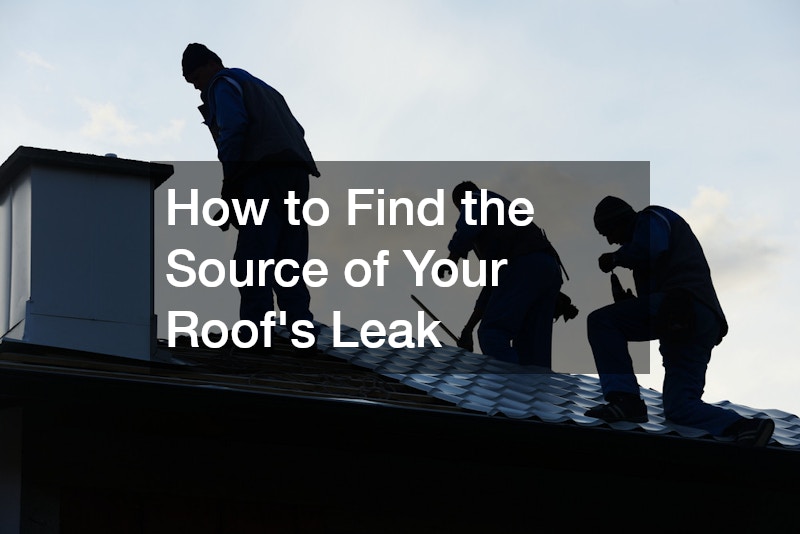
Finding the source of a roof leak can be one of the most frustrating challenges for homeowners. Water travels in unpredictable ways, often dripping far from the point of entry. A ceiling stain or damp spot may seem small, but even minor leaks can lead to mold growth, damaged insulation, weakened framing, and costly repairs if not addressed quickly. Understanding how to locate the origin of the leak—and when to call a professional for roof repairs—is essential for protecting your home and preventing long-term damage.
Below is a detailed guide to help homeowners find the source of a roof leak effectively and safely.
Start Indoors: Look for Visible Signs of Moisture
The first step in locating a roof leak is examining the interior of your home. Look for:
-
Water stains on ceilings or walls
-
Peeling paint or bubbling drywall
-
Damp or musty odors
-
Mold or mildew growth
-
Warped or discolored trim
These interior signs often indicate the general area where water is entering. The leak may not be directly above the stain, but this gives you a starting point.
Once you identify the affected area, you can move into the attic for a closer inspection.
Inspect the Attic Carefully
Your attic is one of the best places to trace the path of water infiltration. Using a flashlight, check for:
-
Wet insulation
-
Darkened roof decking
-
Rotting wood
-
Water streaks
-
Dripping water during active rain
Follow moisture marks uphill—toward the roof’s peak—to find the highest point of wetness. Water typically travels downward along rafters or beams before reaching your ceiling. If you see sunlight peeking through cracks or holes, that may indicate the source.
If the attic shows widespread moisture or mold, it may signal that professional roof repairs are needed to prevent further damage.
Examine Roof Penetrations First
Most leaks occur around openings in the roof rather than open shingle areas. Focus on any place where shingles or roofing materials have been cut or interrupted, such as:
-
Chimneys
-
Skylights
-
Vents (plumbing, attic, furnace)
-
Dormers
-
Roof-to-wall intersections
These areas rely on flashing to create a waterproof seal. If flashing becomes cracked, rusted, or loose, water can easily seep underneath. Inspect the flashing for gaps, damaged sealant, or lifting metal. Any compromised penetration is a prime suspect for leaks.
If flashing is the issue, timely roof repairs can reseal or replace it before water penetrates deeper into the home.
Check for Missing, Damaged, or Loose Shingles
Shingles protect the underlayment and roof decking from direct exposure to rain. When shingles crack, curl, lift from wind, or go missing, your roof becomes vulnerable.
Roof damage may include:
-
Granule loss
-
Broken shingles
-
Exposed nail heads
-
Holes caused by debris or branches
Even small shingle issues can cause significant leaks, especially during heavy rain or wind-driven storms. If you notice widespread shingle deterioration, you may need more than small-scale roof repairs to restore the roof’s function.
Look for Clogged Gutters or Improper Drainage
Sometimes the leak isn’t coming from the roof surface but from water backing up due to drainage issues. Clogged gutters can cause water to overflow and seep under shingles along the roof’s edge.
Check for:
-
Overflowing gutters
-
Debris buildup
-
Sagging gutter sections
-
Water pooling along the foundation
If water cannot flow away from the roof properly, it may intrude where shingles meet the fascia. Clearing gutters and ensuring proper drainage may resolve or prevent leaks without extensive roof repairs.
Inspect Roof Valleys and Low-Slope Areas
Roof valleys handle significant water flow. Because of this, they are common leak points. Look for:
-
Cracked or worn valley shingles
-
Accumulated debris creating dams
-
Exposed underlayment
-
Improperly aligned valley metal
Low-slope or flat areas also allow water to sit longer than on steeper sections, increasing leak risk. If you notice ponding water or deteriorated membranes, repairs should be scheduled promptly.
Spray Test the Roof (With Caution)
If the source of the leak remains uncertain, you can perform a controlled water test. This requires two people:
-
One person stays inside the attic or beneath the suspected area.
-
The other uses a garden hose to spray water on different sections of the roof, starting low and working upward.
Spray each area for several minutes until the inside observer notices water beginning to enter. This method helps pinpoint leaks that aren’t visible through inspection alone.
If water begins entering the home, stop immediately and call for professional roof repairs, especially if the leak is substantial.
Consider Weather-Related Leak Patterns
Leaks that occur only during certain conditions may help identify the problem:
-
Wind-driven rain leaks suggest flashing or shingle issues.
-
Ice dam leaks occur when melting snow backs up under shingles.
-
Heavy rainfall leaks may indicate inadequate drainage or low-slope issues.
Noting the conditions when leaks happen helps roofing professionals diagnose the source faster and more accurately.
Know When to Call a Professional
While DIY inspections can help identify potential issues, roof repairs should be handled by trained professionals. Working on a roof is dangerous, and improper repairs can worsen the problem. Call a roofer if:
-
The leak source is unclear
-
Damage appears widespread
-
Mold or structural rot is present
-
Shingles or flashing need replacement
-
You lack proper tools or safety equipment
Professional roofers use advanced detection tools, such as moisture meters and infrared imaging, to locate hidden leaks. Once identified, they perform proper roof repairs that restore the roof’s waterproofing and prevent future issues.
Prevent Future Leaks Through Regular Maintenance
To keep your home protected, implement preventative steps such as:
-
Scheduling annual roof inspections
-
Cleaning gutters regularly
-
Replacing damaged shingles promptly
-
Maintaining attic ventilation
-
Ensuring flashing stays sealed and secure
These small tasks can significantly reduce the likelihood of leaks and extend your roof’s lifespan.
Finding the source of a roof leak can be tricky, but understanding where leaks commonly begin—and knowing when to seek professional roof repairs—helps protect your home from water damage. With careful inspection and timely action, you can keep your roofing system strong, safe, and leak-free for years to come.