
Designing a luxury kitchen in an older home is less about transformation and more about translation. The goal is to interpret historic craftsmanship through the lens of modern performance, without erasing the character that made the home special in the first place. Older kitchens often come with architectural constraints, aging infrastructure, and materials that require respect rather than replacement. When approached thoughtfully, upgrades can enhance daily function while preserving the elegance, proportion, and permanence that define classic luxury.
This kind of kitchen renovation rewards patience and planning. Every decision should support longevity, safety, and usability, not short-term trends or flashy finishes. By understanding how modern systems interact with older construction, homeowners can make improvements that feel seamless instead of forced. The result is a kitchen that performs like a contemporary space while still feeling grounded in history.
Choose Materials That Honor the Home’s Original Character

Material selection sets the tone for the entire kitchen, especially in older homes where proportions and detailing already tell a story. Rather than chasing novelty, luxury design favors materials that age gracefully and feel authentic to the era of the home. Stone, wood, and thoughtfully selected composites can elevate performance without introducing visual dissonance. The key is choosing surfaces that complement original trim, flooring, and architectural details instead of competing with them.
When selecting countertops, it’s important to balance durability with historical sensitivity. Older homes often benefit from materials that feel substantial and timeless, such as honed stone or softly finished surfaces that don’t look overly polished. These choices help new installations feel like natural extensions of the home rather than obvious additions. Attention to edge profiles, thickness, and finish plays a major role in maintaining visual continuity.
To guide material decisions, homeowners should consider:
-
How reflective or matte finishes interact with existing light
-
Whether the material will patina attractively over time
-
How easily repairs or refinishing can be handled decades later
Luxury kitchens in older homes succeed when material choices feel inevitable rather than attention-seeking. A well-selected surface should look as though it belongs to the home’s original blueprint, even if it delivers modern durability. Thoughtful restraint allows the architecture to remain the focal point while still improving day-to-day usability. When materials age gracefully instead of wearing out, they reinforce the sense of permanence that defines true luxury. In the long run, these decisions protect both the character of the home and the investment made in upgrading it.
Integrate Fire Safety Without Disrupting Visual Design
High-performance kitchens demand a higher level of safety, especially in older homes that were never designed for modern cooking output. Fire protection must evolve alongside upgraded appliances, but that doesn’t mean sacrificing aesthetics. The most effective safety upgrades are the ones you barely notice, quietly working in the background. Planning these systems early prevents awkward retrofits later.
Discreet fire suppression services can be integrated into cabinetry, ventilation, and ceiling systems without altering the visual rhythm of the kitchen. In luxury spaces, protection should feel intentional rather than industrial. Thoughtful coordination between designers and safety professionals ensures coverage without visual clutter. This approach protects both the home and the investment made in the renovation.
Key considerations include:
-
Matching safety components to surrounding finishes
-
Ensuring coverage aligns with appliance placement
-
Avoiding exposed hardware that feels commercial
Fire safety in a refined kitchen should never announce itself visually, yet it should always perform reliably behind the scenes. When protection measures are thoughtfully integrated, homeowners gain peace of mind without sacrificing design integrity. These systems work best when planned alongside cabinetry, ventilation, and appliance layouts rather than added after construction. By prioritizing subtlety and coordination, safety becomes part of the kitchen’s foundation instead of an afterthought. This approach preserves elegance while quietly supporting modern cooking demands.
Reinforce Storage to Support Heavier, High-End Items

Older kitchens were not built for the weight and volume of modern cookware, stoneware, and specialty appliances. Cabinets, pantries, and walls often require reinforcement to safely handle contemporary demands. Ignoring this reality can lead to sagging shelves, structural stress, and long-term damage. Luxury upgrades should improve strength as much as style.
A properly engineered racking system allows storage to remain elegant while dramatically improving load capacity. Hidden supports and reinforced framing can be incorporated behind custom millwork without altering appearances. This ensures that storage remains functional, durable, and aligned with modern usage patterns. Strong storage infrastructure is a quiet but critical component of long-term performance.
Effective storage reinforcement often includes:
-
Anchoring systems into structural framing rather than plaster alone
-
Distributing weight evenly across vertical supports
-
Designing deeper storage with intentional weight limits
Storage that looks beautiful but fails structurally undermines both function and confidence. Reinforced systems allow homeowners to use their kitchen fully without worrying about long-term wear or damage. When strength is engineered invisibly, the space maintains its refined appearance while offering modern reliability. Properly supported storage also protects surrounding finishes from stress and shifting over time. In a luxury kitchen, durability should be as carefully considered as aesthetics.
Discreetly Incorporate Technology Into Traditional Kitchens
Technology has a place in luxury kitchens, but it should never dominate the space. In older homes, visible wiring, screens, and controls can feel intrusive if not carefully planned. The goal is seamless integration that enhances function while preserving visual calm. Thoughtful placement keeps technology accessible without becoming a focal point.
Modern av services can be embedded within cabinetry, walls, or concealed panels to maintain a traditional aesthetic. Touchscreens, sound systems, and controls work best when they disappear when not in use. This approach allows homeowners to enjoy modern convenience without compromising the timeless feel of the space. Coordination between designers and technicians is essential to avoid visible retrofits.
Successful integration depends on:
-
Planning power and wiring routes before finishes are installed
-
Using custom millwork to conceal components
-
Limiting visible technology to intentional locations only
Technology should enhance the kitchen experience without ever becoming visually dominant. When digital systems are concealed within traditional design elements, the space retains its sense of calm and continuity. Thoughtful integration allows modern conveniences to feel intuitive rather than intrusive. This balance ensures that the kitchen remains welcoming and timeless rather than dated by rapidly changing technology. True refinement lies in making advanced systems feel effortless and invisible.
Address Aging Drainage Before Upgrading Fixtures
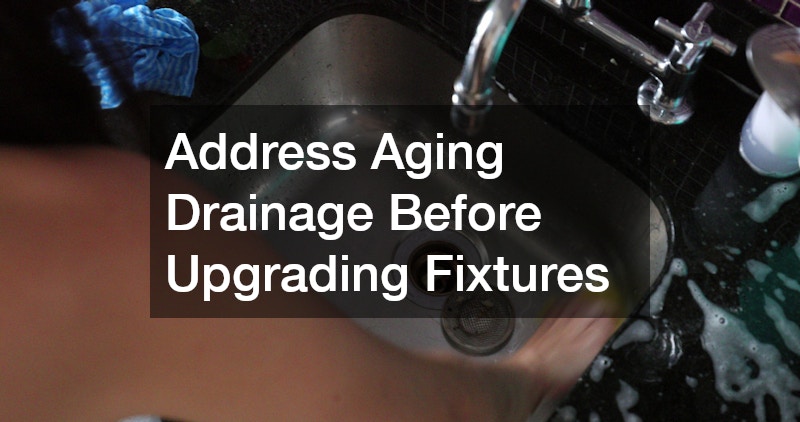
Plumbing in older homes often reflects the standards of its time, not modern usage habits. High-capacity sinks, dishwashers, and disposals place new demands on aging systems. Ignoring these limitations can lead to slow drainage, backups, and costly repairs after renovation. Addressing infrastructure early prevents future frustration.
Clogged drain pipes are a common symptom of outdated plumbing struggling to keep up with modern kitchens. These issues often worsen after upgrades if underlying problems aren’t resolved. Proactive evaluation allows homeowners to correct vulnerabilities before new fixtures go into place. This protects both daily functionality and the integrity of surrounding finishes.
Preventive steps typically include:
-
Inspecting pipe materials and joint conditions
-
Assessing slope and venting adequacy
-
Upgrading select sections without full system replacement
Ignoring underlying drainage issues can compromise even the most beautiful renovation. Older infrastructure benefits from careful evaluation before new fixtures are introduced, preventing future disruption. Addressing potential weaknesses early protects surrounding finishes and ensures consistent performance. This proactive approach minimizes unexpected repairs and preserves the overall integrity of the kitchen. Long-term reliability is a defining feature of a truly successful upgrade.
Identify Health and Safety Risks Before Renovation Begins
Older homes often contain materials that require careful handling during renovation. Ignoring potential hazards can put occupants and workers at risk while also delaying projects. Responsible luxury renovation starts with understanding what lies beneath existing surfaces. Testing and assessment are not optional steps.
Professional asbestos removal may be necessary in kitchens with original flooring, insulation, or wall materials. Knowing when to pause DIY ambitions and involve specialists is a mark of informed ownership, not limitation. Proper remediation protects air quality and ensures compliance with modern safety standards. It also preserves the long-term value of the home.
Homeowners should prioritize:
-
Testing before demolition begins
-
Containment strategies during remediation
-
Clear documentation of completed work
Responsible renovation begins with understanding the materials already present in the home. Identifying potential hazards early protects both occupants and the structure itself. Thoughtful planning allows necessary interventions to be handled efficiently and safely. This level of diligence reflects respect for the home’s history as well as its future. In luxury renovations, safety and preservation go hand in hand.
Add Modern Convenience Without Breaking the Aesthetic

Luxury kitchens succeed when modern conveniences feel intentionally integrated rather than added as afterthoughts. In older homes, visible appliances can disrupt visual harmony if not carefully selected and placed. The goal is improved usability without introducing clutter. Subtlety is key.
Built-in water dispensers can be installed in ways that preserve cabinetry lines and counter surfaces. Hidden filtration systems and discreet controls allow for daily convenience without visual noise. When placed thoughtfully, these features enhance function while remaining nearly invisible. This approach aligns modern expectations with traditional aesthetics.
Effective integration involves:
-
Selecting finishes that match surrounding hardware
-
Locating controls away from primary sightlines
-
Ensuring easy maintenance access without visual compromise
Modern conveniences should feel intentionally woven into the fabric of the kitchen, not layered on top of it. When functional upgrades remain visually understated, they enhance daily routines without disrupting the overall design. Subtle placement and careful detailing allow these features to blend seamlessly with traditional elements. This balance supports modern living while maintaining architectural harmony. Convenience, when handled correctly, becomes part of the kitchen’s natural rhythm.
Protect Legacy Plumbing With Proper Kitchen Habits
How a kitchen is used matters just as much as how it is built. Older plumbing systems benefit greatly from thoughtful daily habits that reduce strain and buildup. Even the best renovation can be undermined by misuse over time. Education is part of long-term luxury maintenance.
Proper cooking oil disposal plays a significant role in preserving drainage systems. Oils that cool and solidify can quietly damage pipes, especially in older materials. Establishing responsible habits protects infrastructure and prevents avoidable service calls. Small changes make a meaningful difference over decades.
Best practices include:
-
Allowing oils to cool before disposal
-
Using sealed containers instead of drains
-
Cleaning cookware thoroughly before washing
Daily habits play a significant role in preserving the performance of an older kitchen. Thoughtful use protects infrastructure that may already be working harder than modern systems. Simple practices can prevent gradual damage that often goes unnoticed until repairs are necessary. By treating the kitchen with care, homeowners extend the lifespan of both original and upgraded components. Long-term luxury depends as much on stewardship as it does on design.
Know When Professional Expertise Is Essential
While many homeowners enjoy hands-on involvement, older kitchens often demand specialized knowledge. Structural quirks, historic materials, and aging systems require experienced assessment. Knowing when to step back protects both the project and the home. Professional input is an investment, not a concession.
A qualified plumber with experience in older homes understands how modern upgrades interact with legacy systems. This expertise prevents mistakes that can damage walls, floors, and finishes. Strategic collaboration ensures that upgrades are efficient, safe, and code-compliant. It also saves time and expense over the long term.
Professional coordination often provides:
-
Accurate diagnostics before work begins
-
Solutions tailored to historic construction
-
Reduced risk of hidden damage
Older homes reward collaboration with professionals who understand their unique construction. Specialized knowledge helps avoid mistakes that can compromise finishes and structure. Strategic involvement ensures that upgrades are efficient, compliant, and well-executed. This guidance supports informed decision-making rather than reactive problem-solving. In high-end renovations, expertise is a form of protection.
Introduce Professional-Grade Performance Thoughtfully
High-performance appliances can elevate a kitchen, but they must be introduced with care in older homes. Power requirements, ventilation needs, and heat output all require careful planning. Without proper preparation, upgrades can overwhelm existing infrastructure. Thoughtful integration preserves balance.
Residential use of restaurant equipment should focus on performance benefits rather than commercial appearance. Appliances should be selected for compatibility with residential spaces and concealed where possible. Supporting systems must be upgraded quietly to maintain visual integrity. This approach delivers capability without excess.
Successful integration depends on:
-
Matching appliance scale to kitchen proportions
-
Upgrading ventilation discreetly
-
Coordinating electrical and structural support
Performance upgrades should enhance the kitchen’s capabilities without overwhelming its character. When power, scale, and infrastructure are carefully balanced, functionality feels natural rather than excessive. Proper planning ensures that advanced features work harmoniously within existing architecture. This restraint preserves comfort and visual balance while delivering exceptional results. Luxury is achieved when performance supports design instead of competing with it.
Blending modern performance into a classic luxury kitchen is an exercise in balance. Older homes reward thoughtful upgrades that respect their original structure while enhancing daily life. Every decision, from materials to systems, should prioritize longevity, safety, and cohesion. When executed with care, improvements feel inevitable rather than imposed.
True luxury is not defined by how much is changed, but by how intelligently changes are made. A well-planned kitchen honors its past while quietly meeting modern expectations. By approaching upgrades with patience and respect, homeowners can create spaces that feel timeless, functional, and deeply personal.